Antsiranana, Madagascar – a report from Odilon Rafanomezantsoa
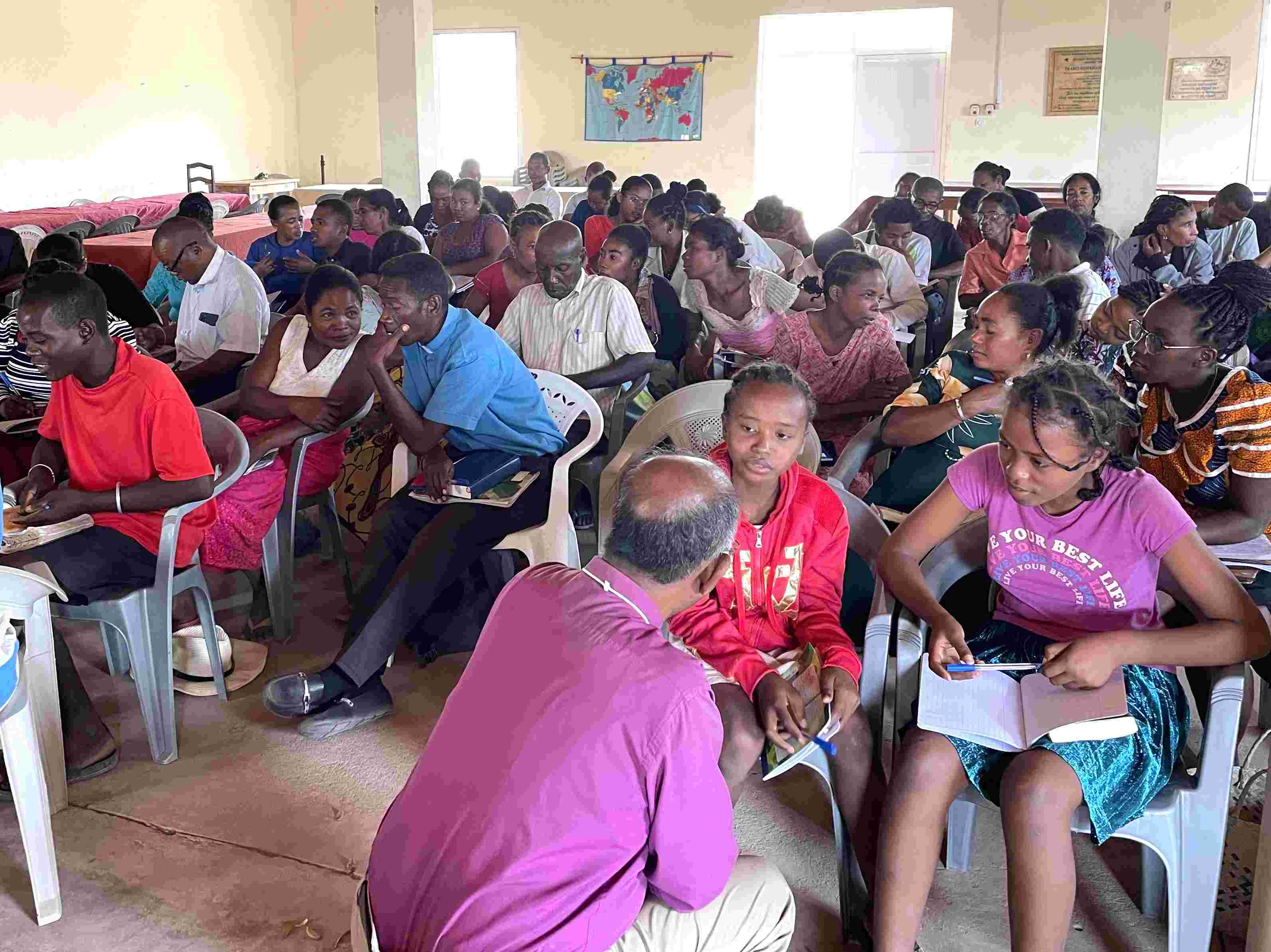
The Diocese of Antsiranana held its first Rooted in Jesus conference in October 2024. 124 people were trained and commissioned as Rooted in Jesus group leaders, and Odilon Rafanomezantsoa and Didier Manamboatra were appointed as Diocesan Coordinators. Odilon has just sent his first detailed report on how things are going so far.
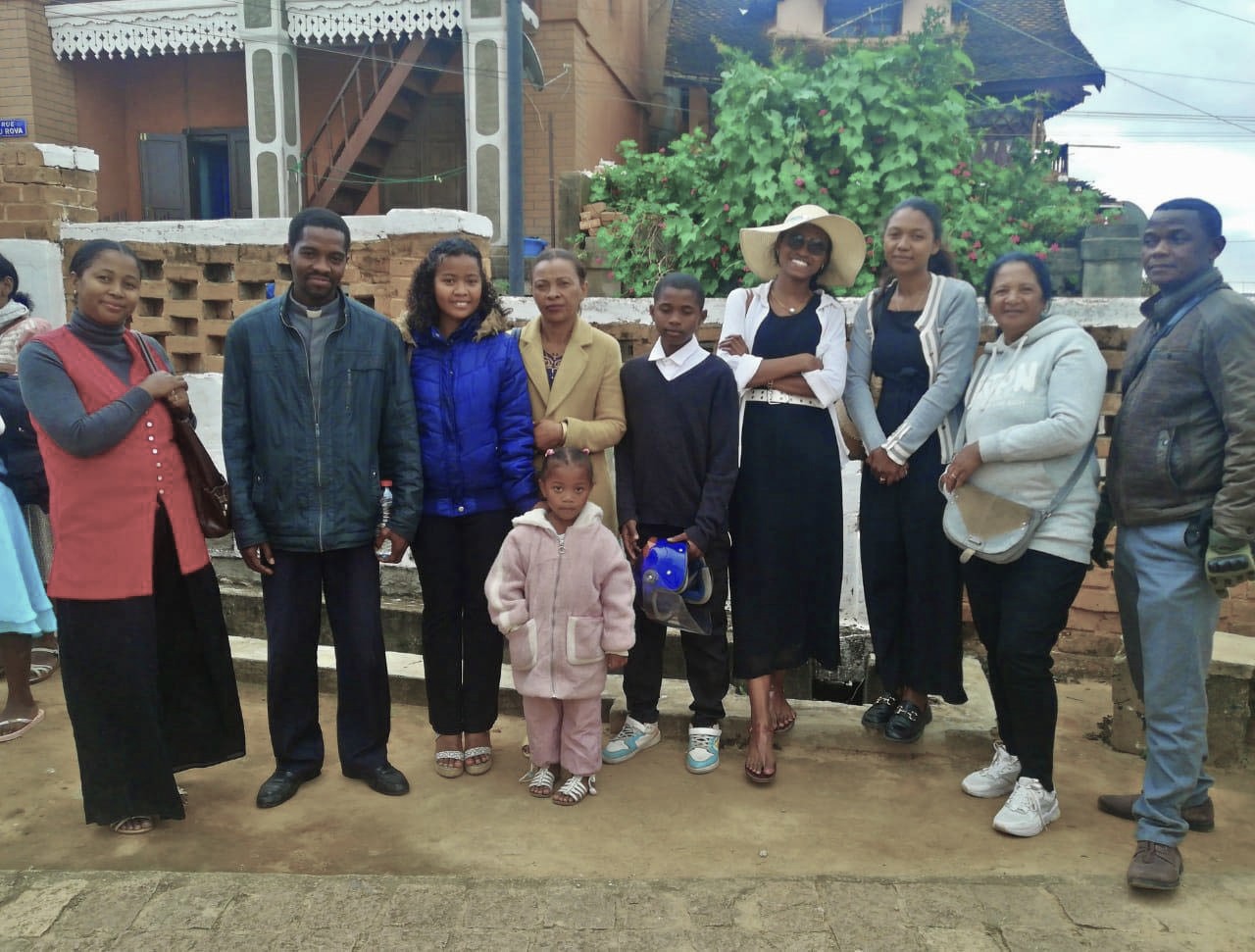
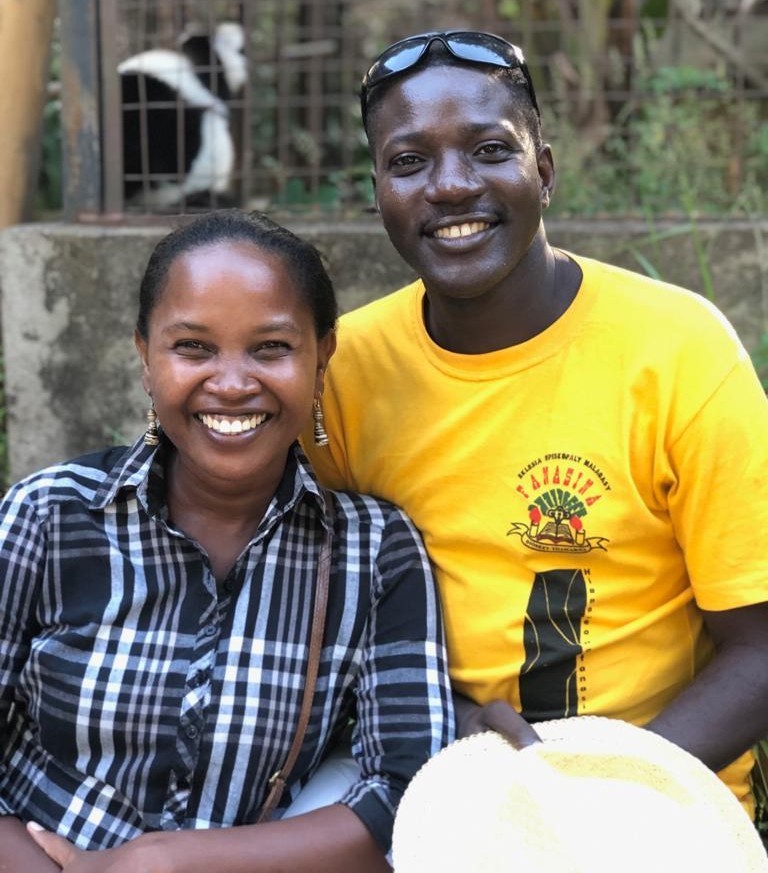
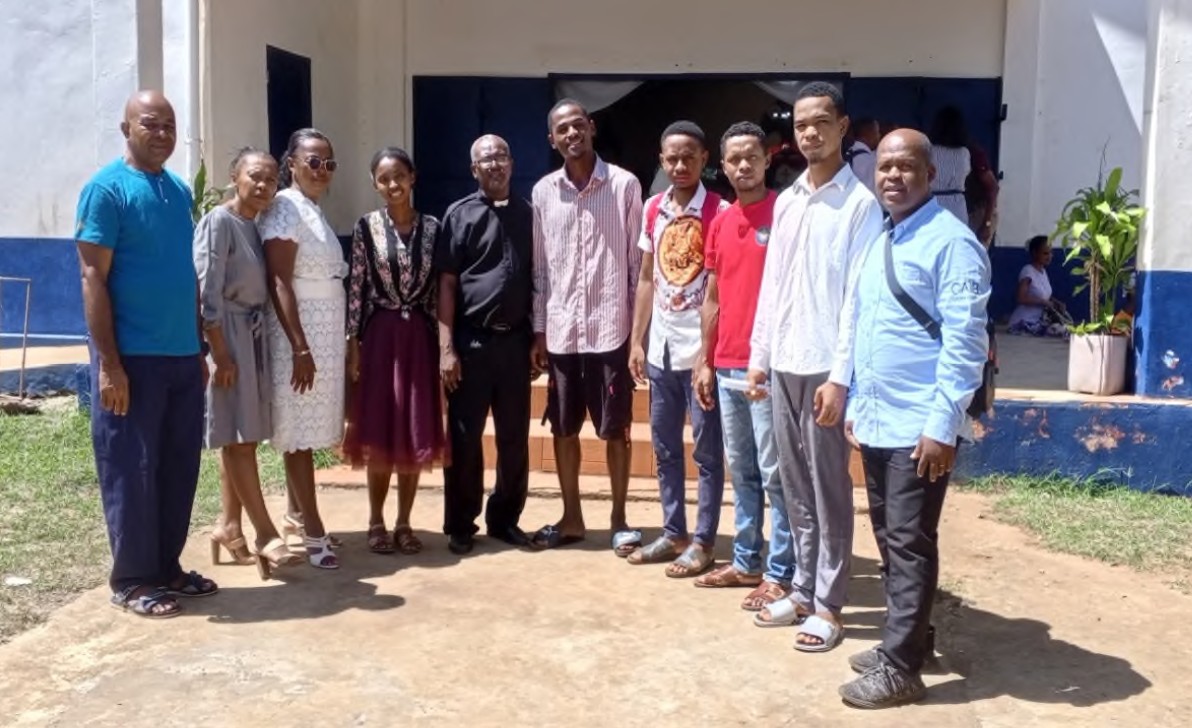
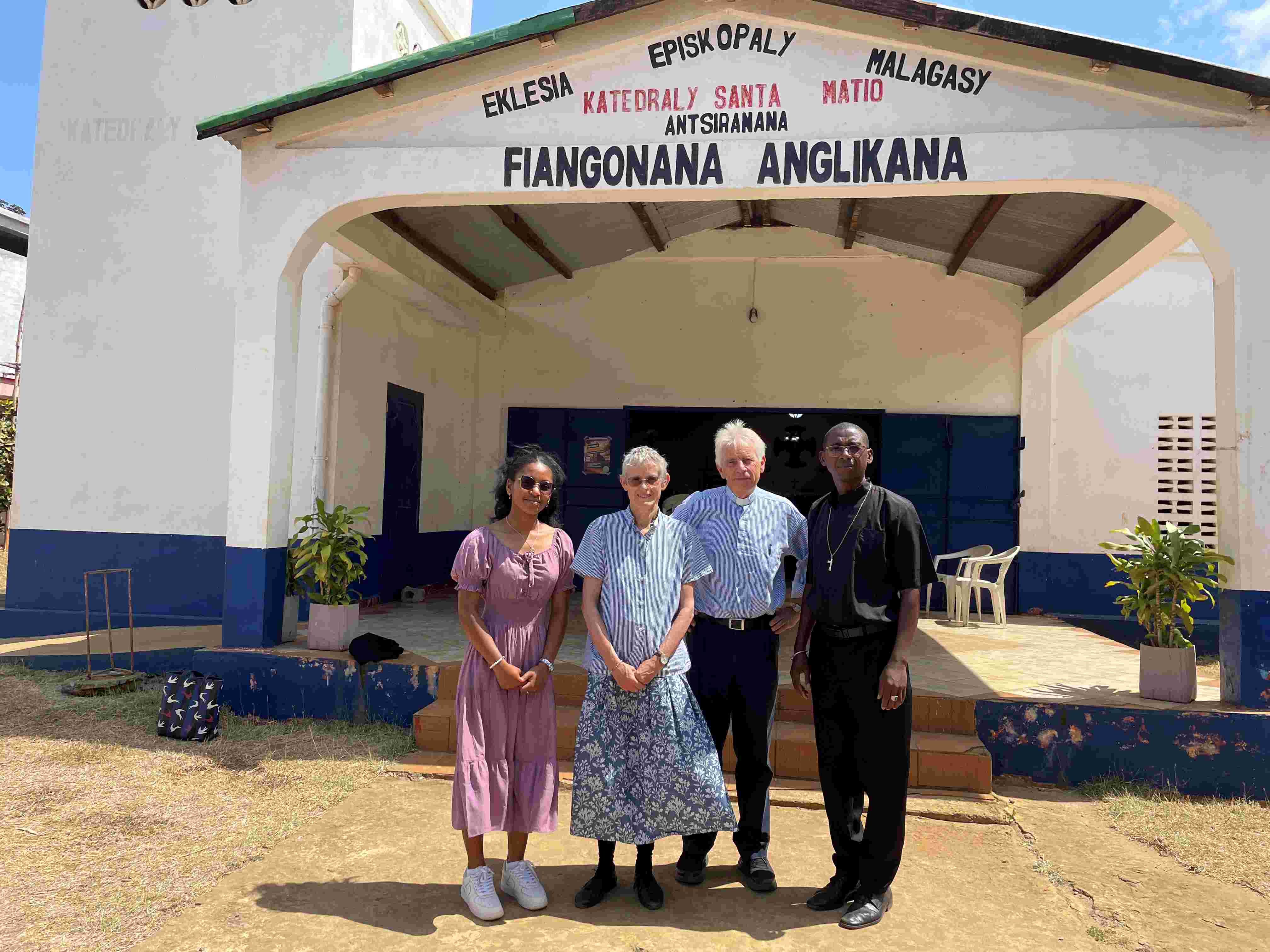
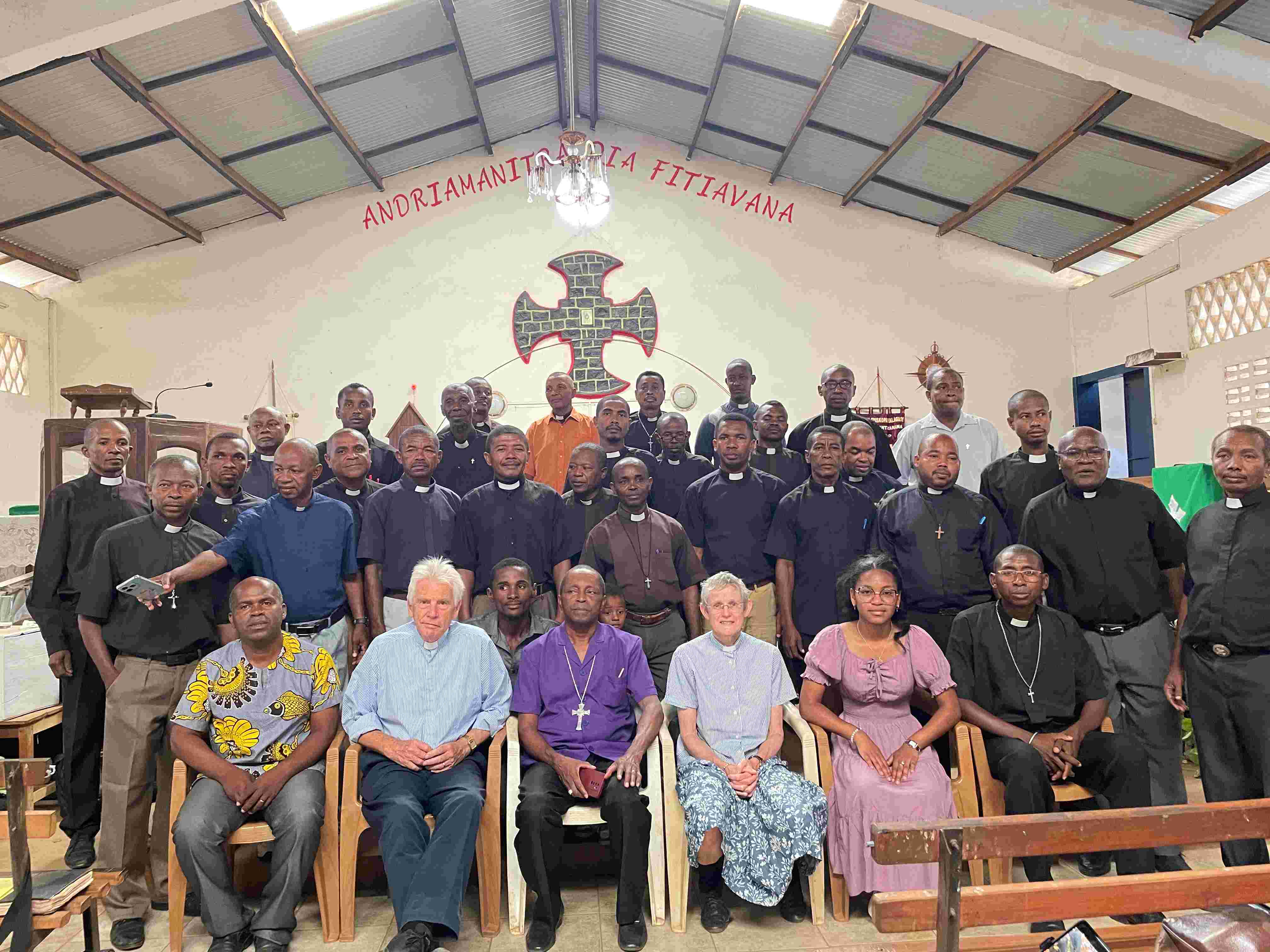
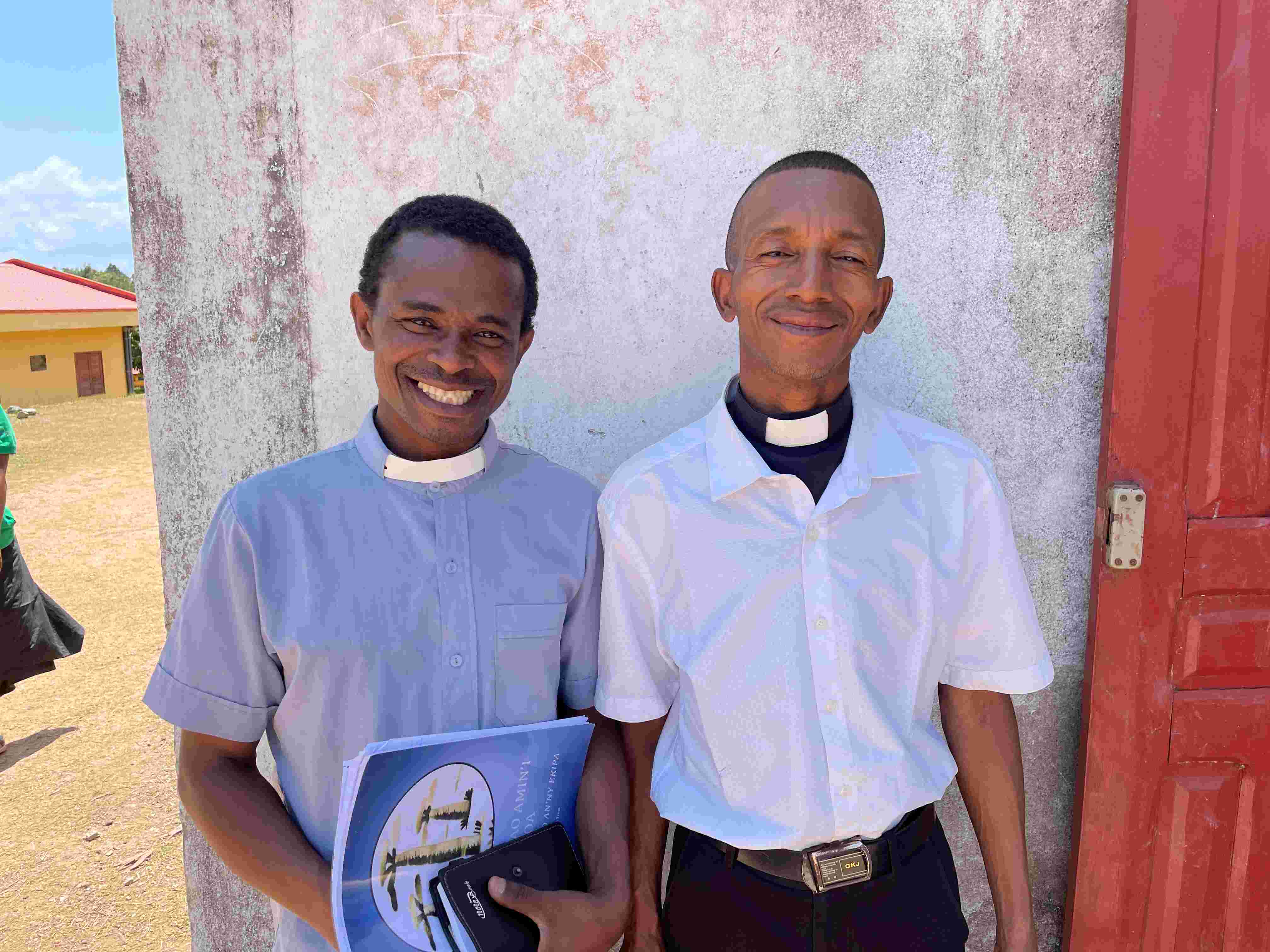
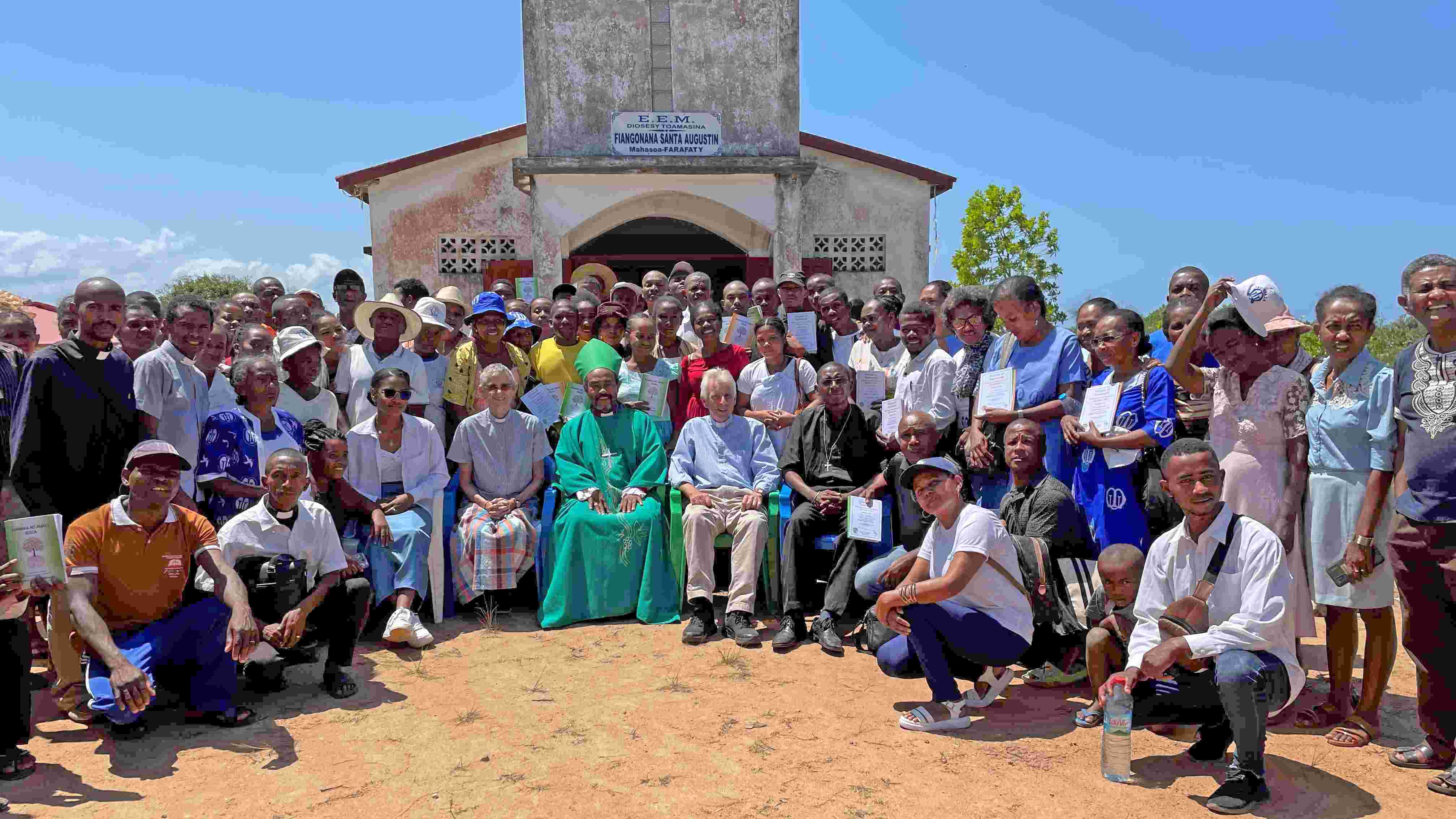
Odilon (far right) and Didier (centre) with the priest and leaders from St Matthew’s Cathedral
The Diocese has 21 parishes, including Antsiranana itself. 55 groups have started in 20 of these parishes; the other has been waiting for the appointment of a new priest.
Some of the 124 certified leaders are working together, others leading a group on their own. Nearly every group includes people who are thought to have the potential to become future leaders, thus ensuring the growth of the programme. Given the high rate of illiteracy in the rural areas, this is a considerable achievement.
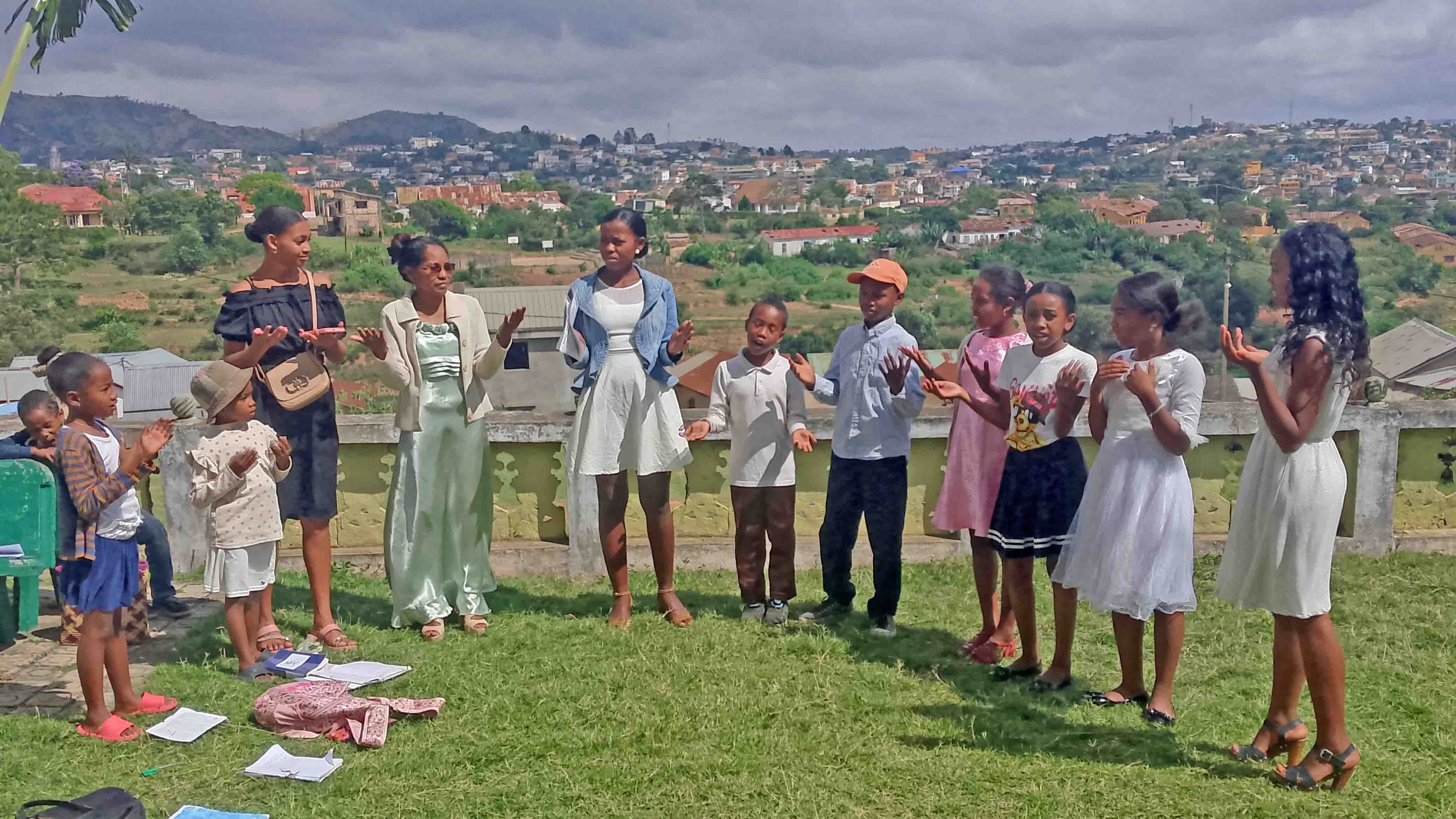
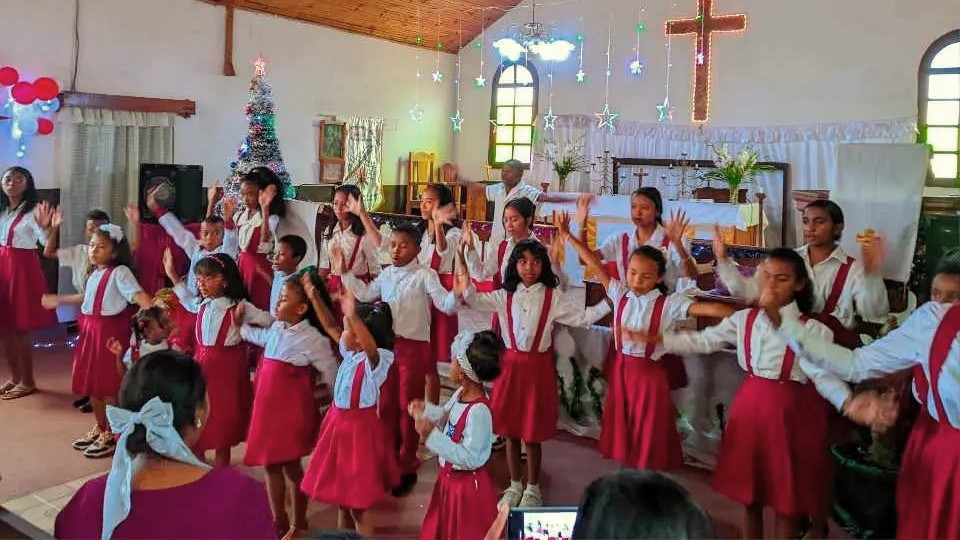
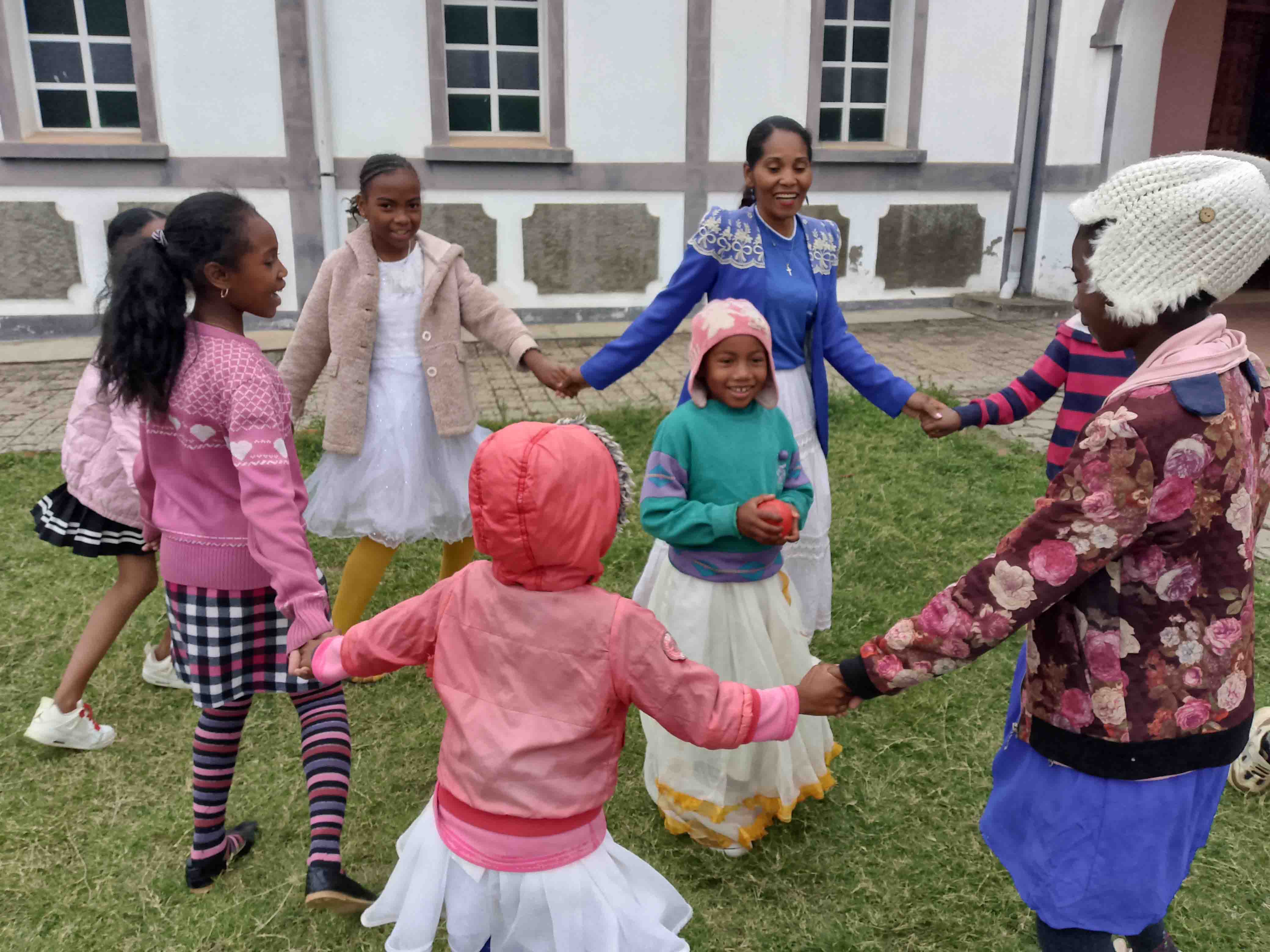
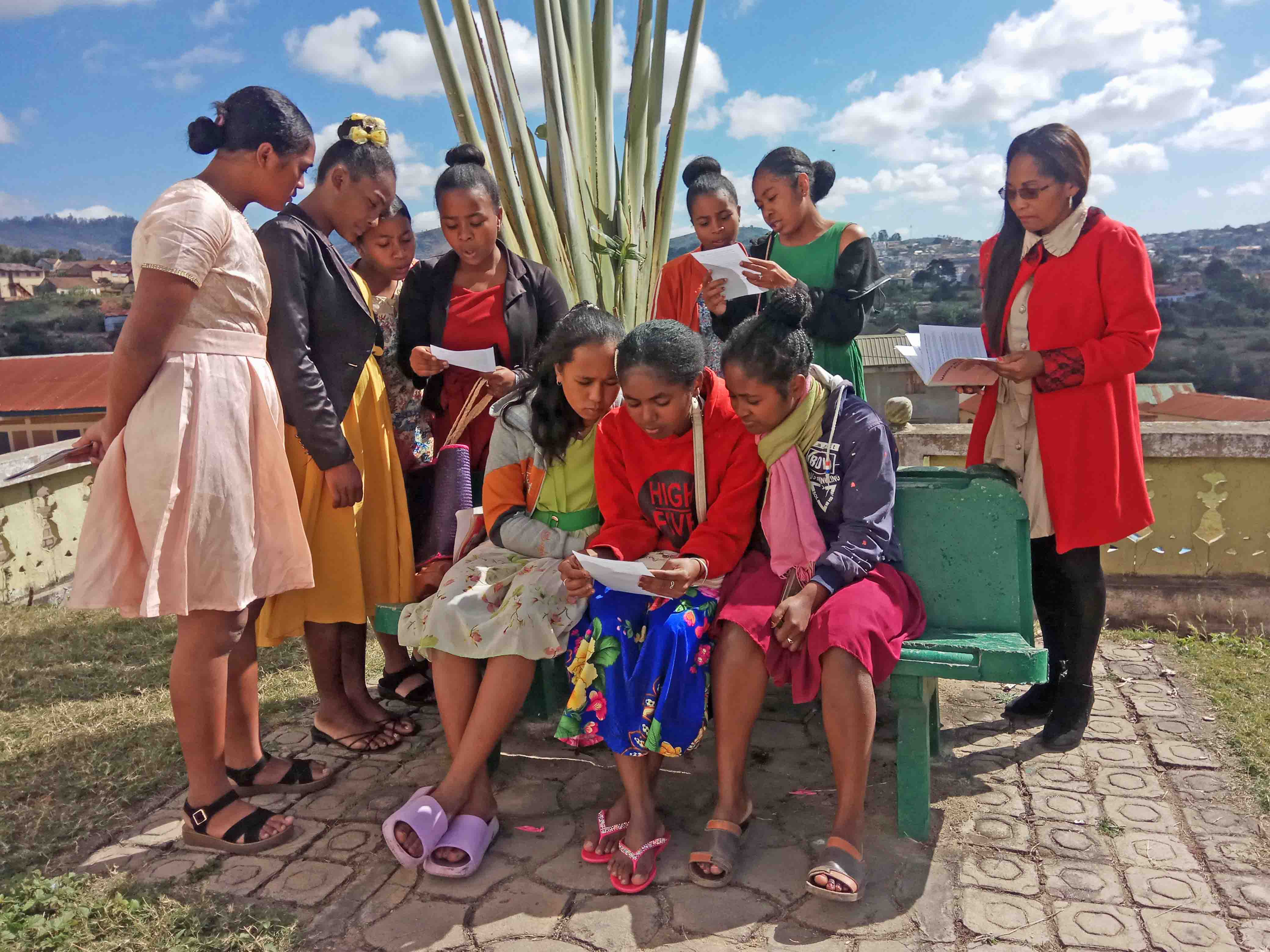
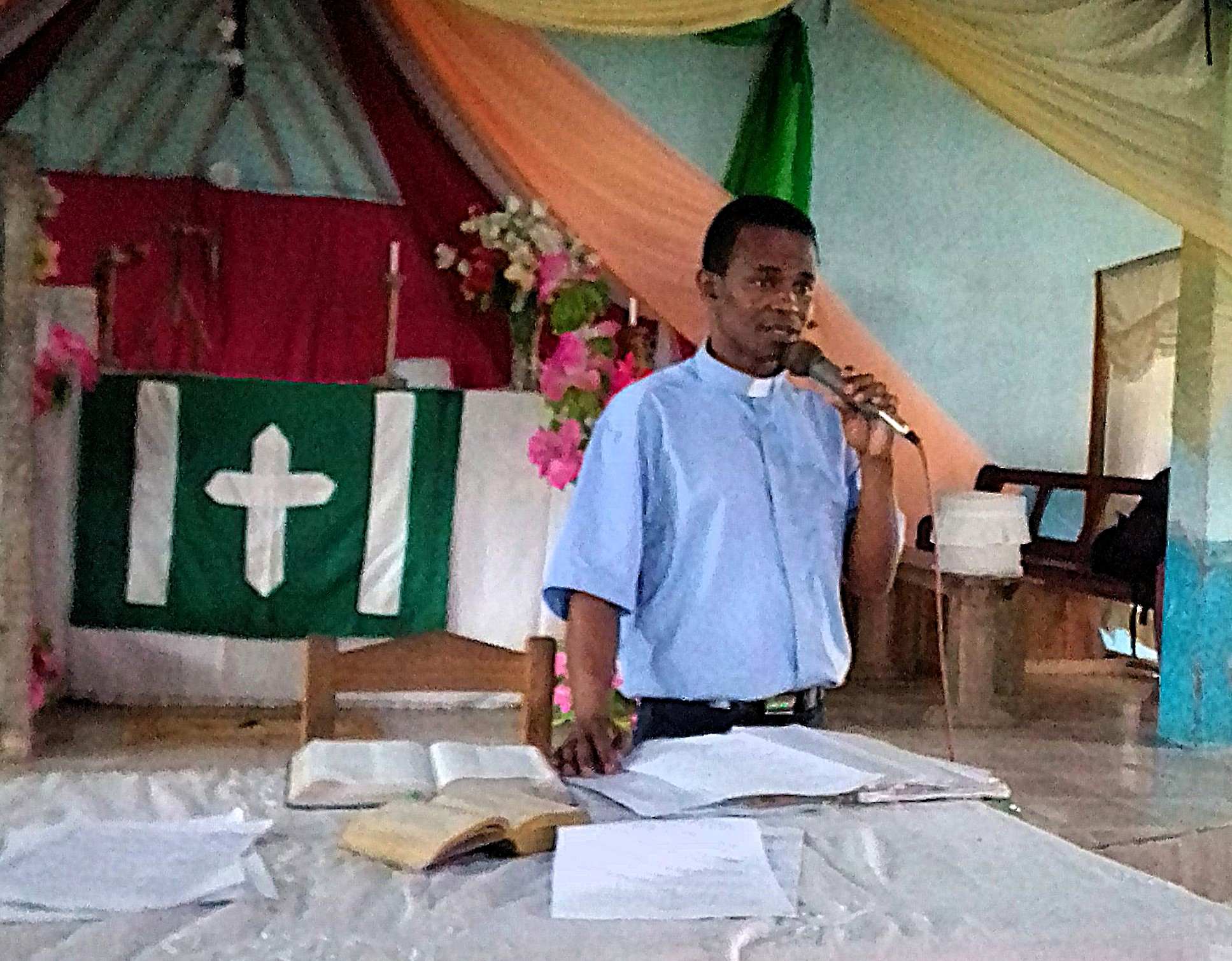
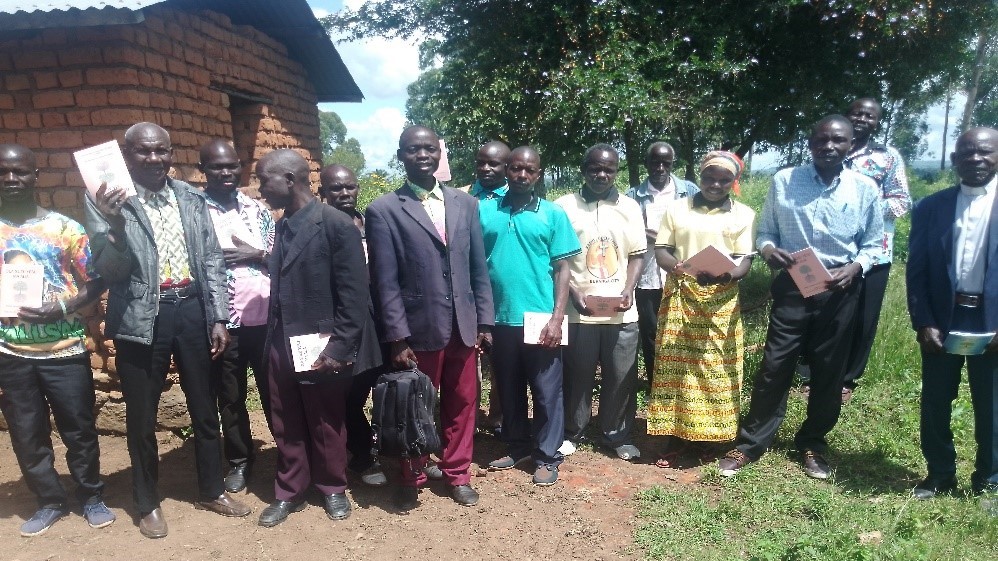
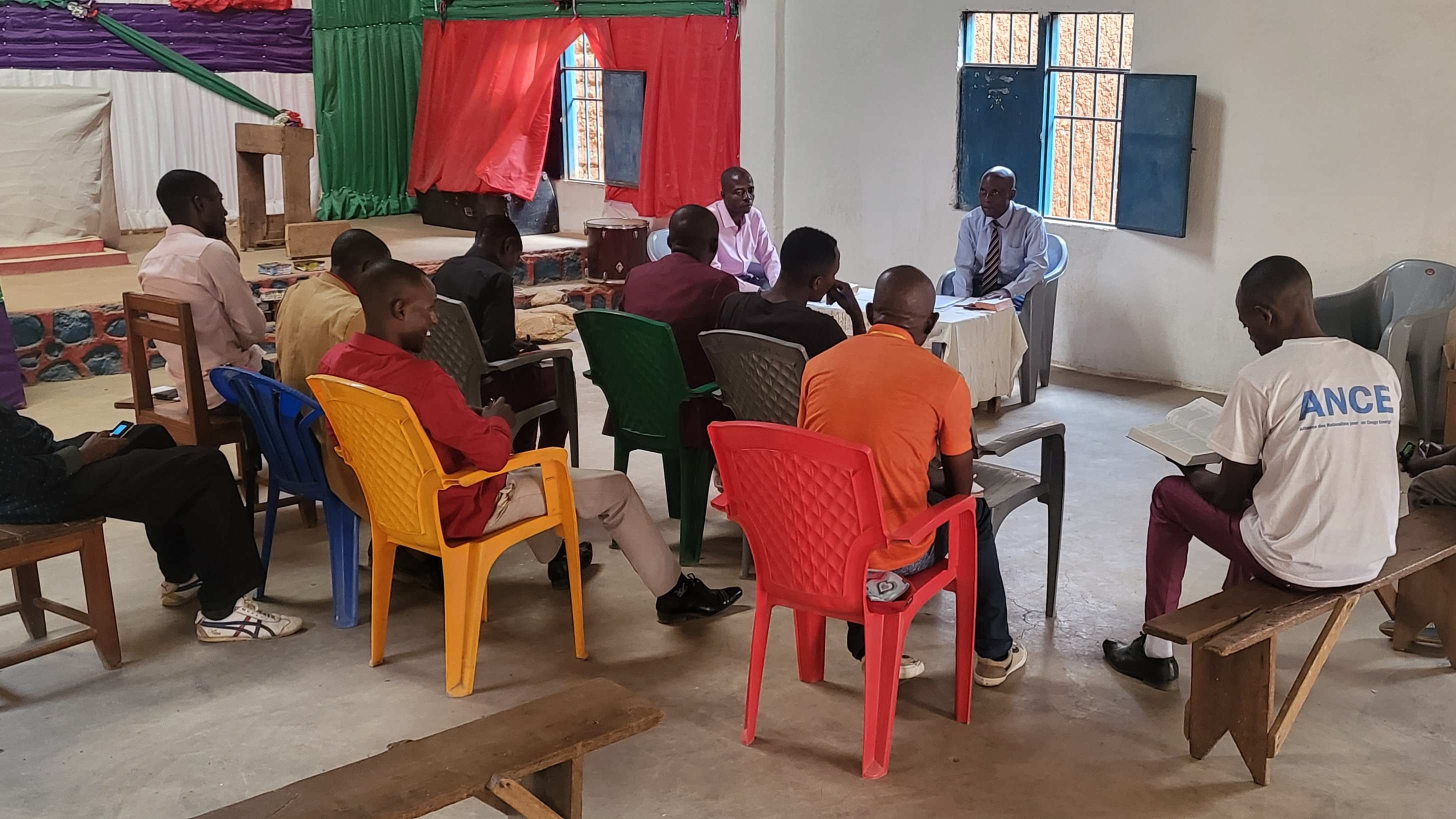
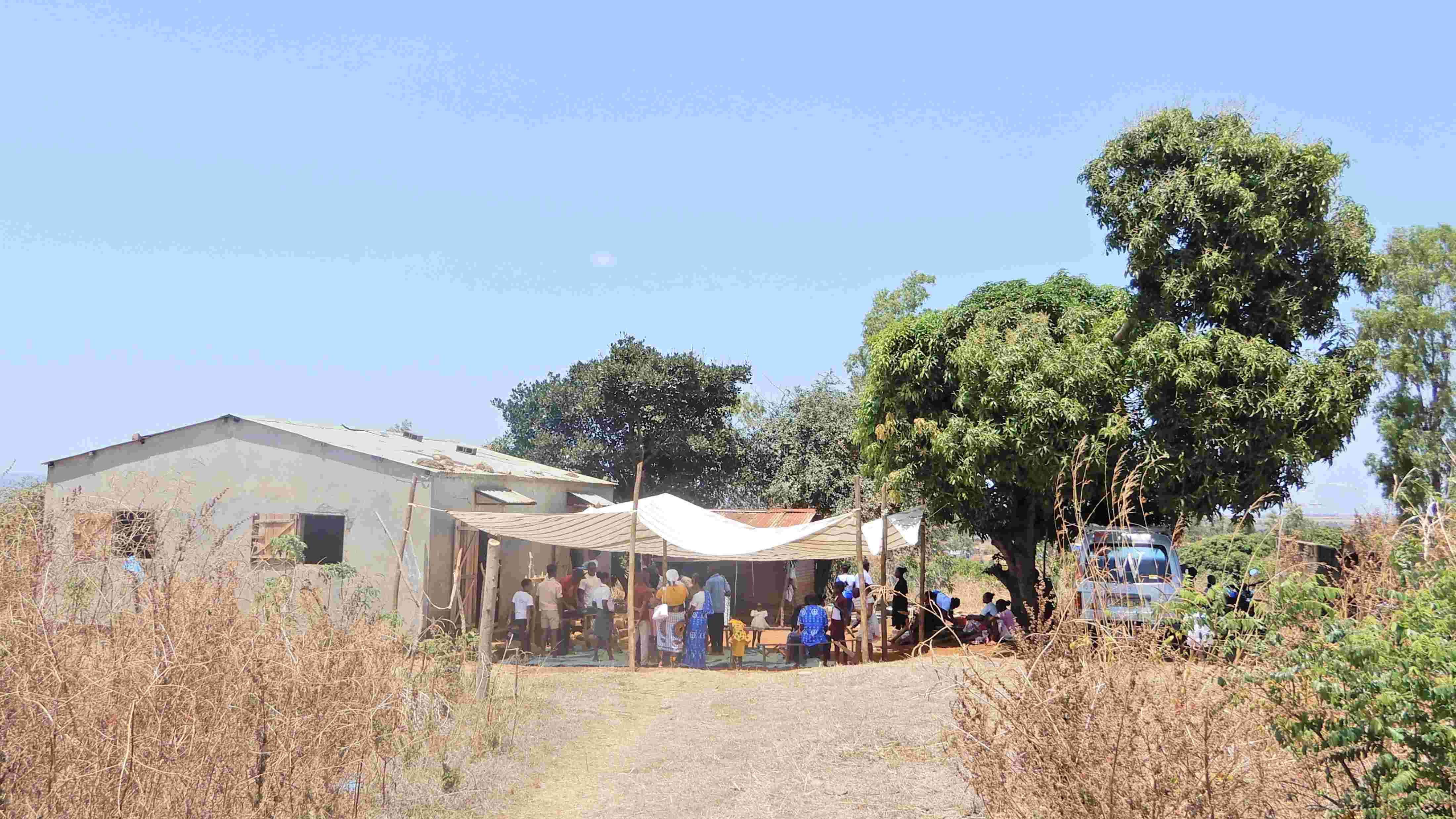
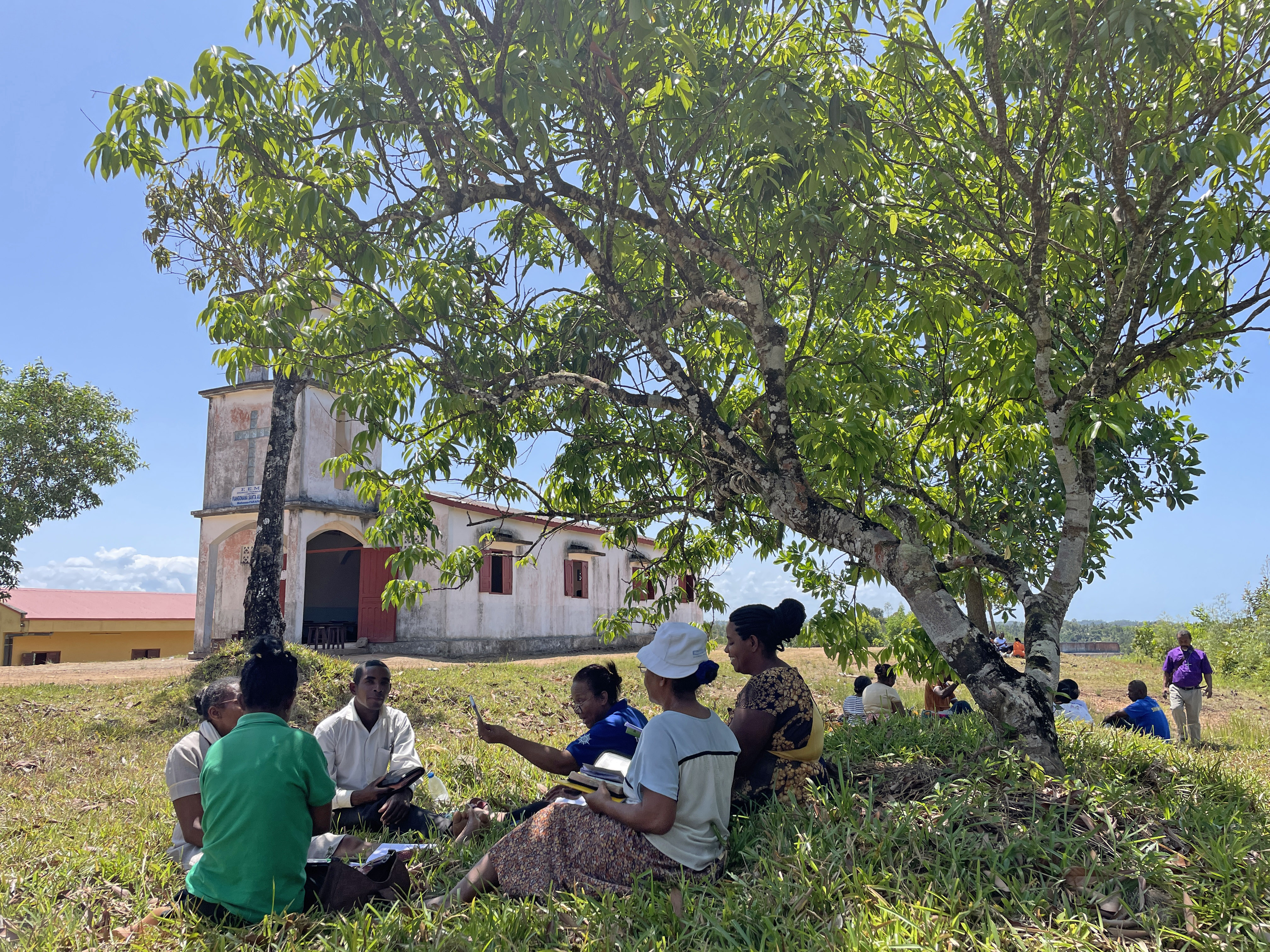
One of the five groups in Anivorano Nord, and one of the two groups in Ankaramy.
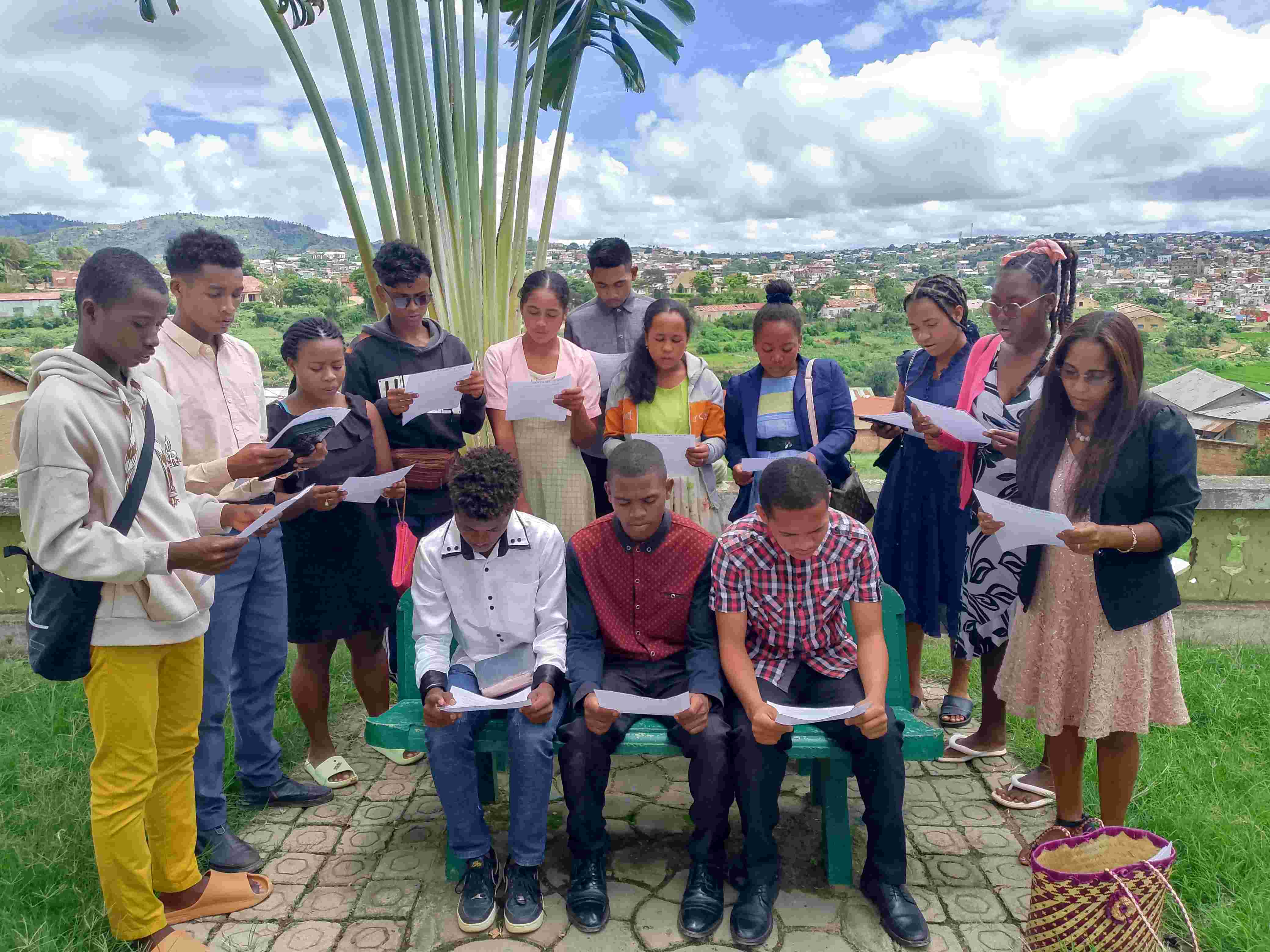
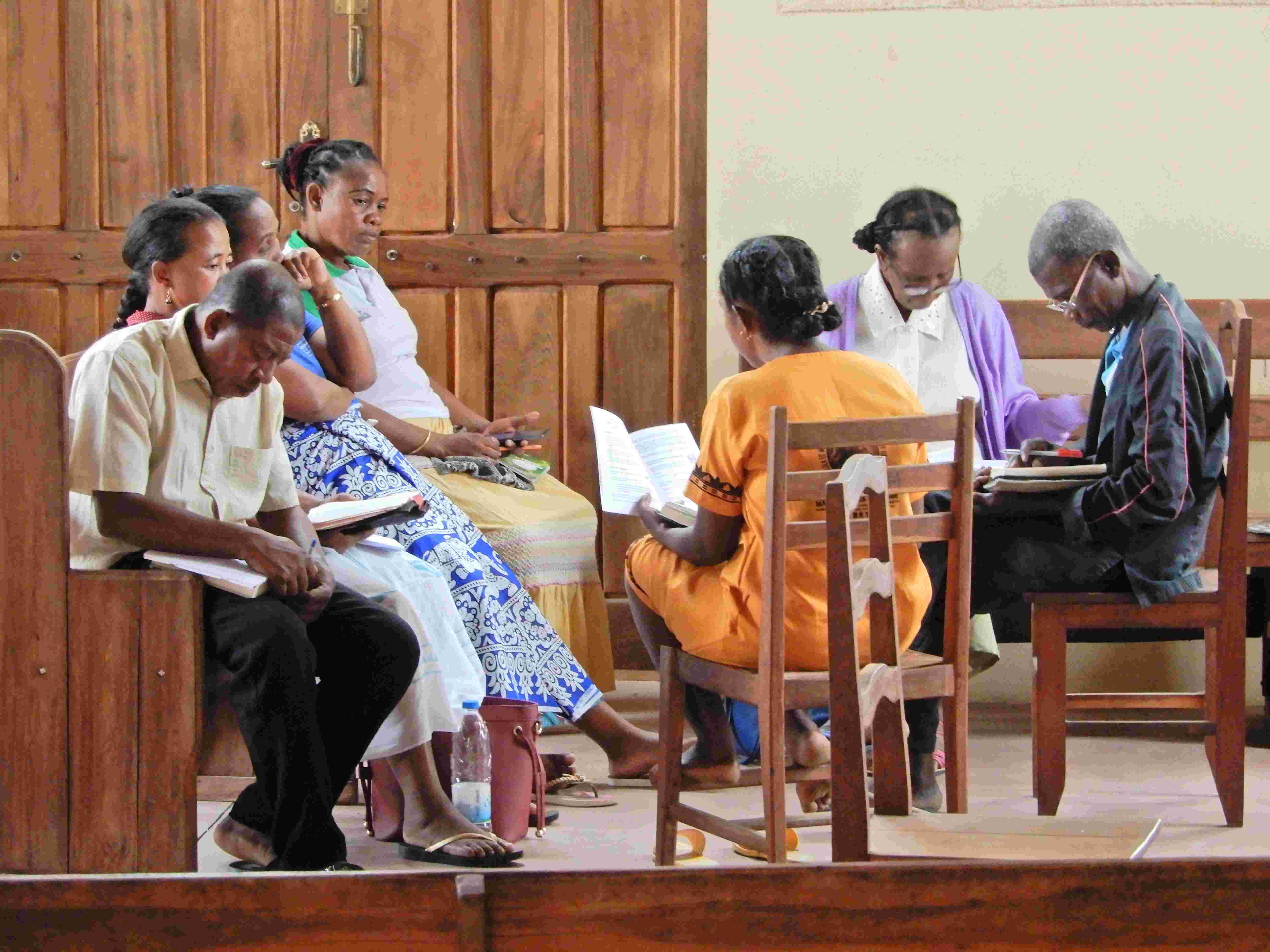
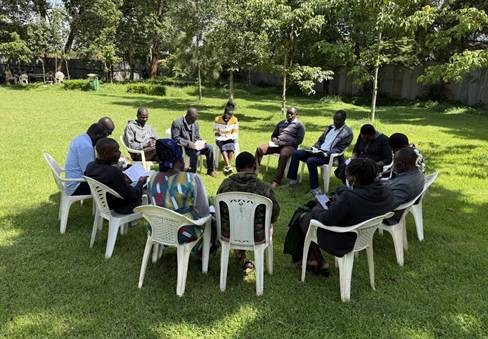
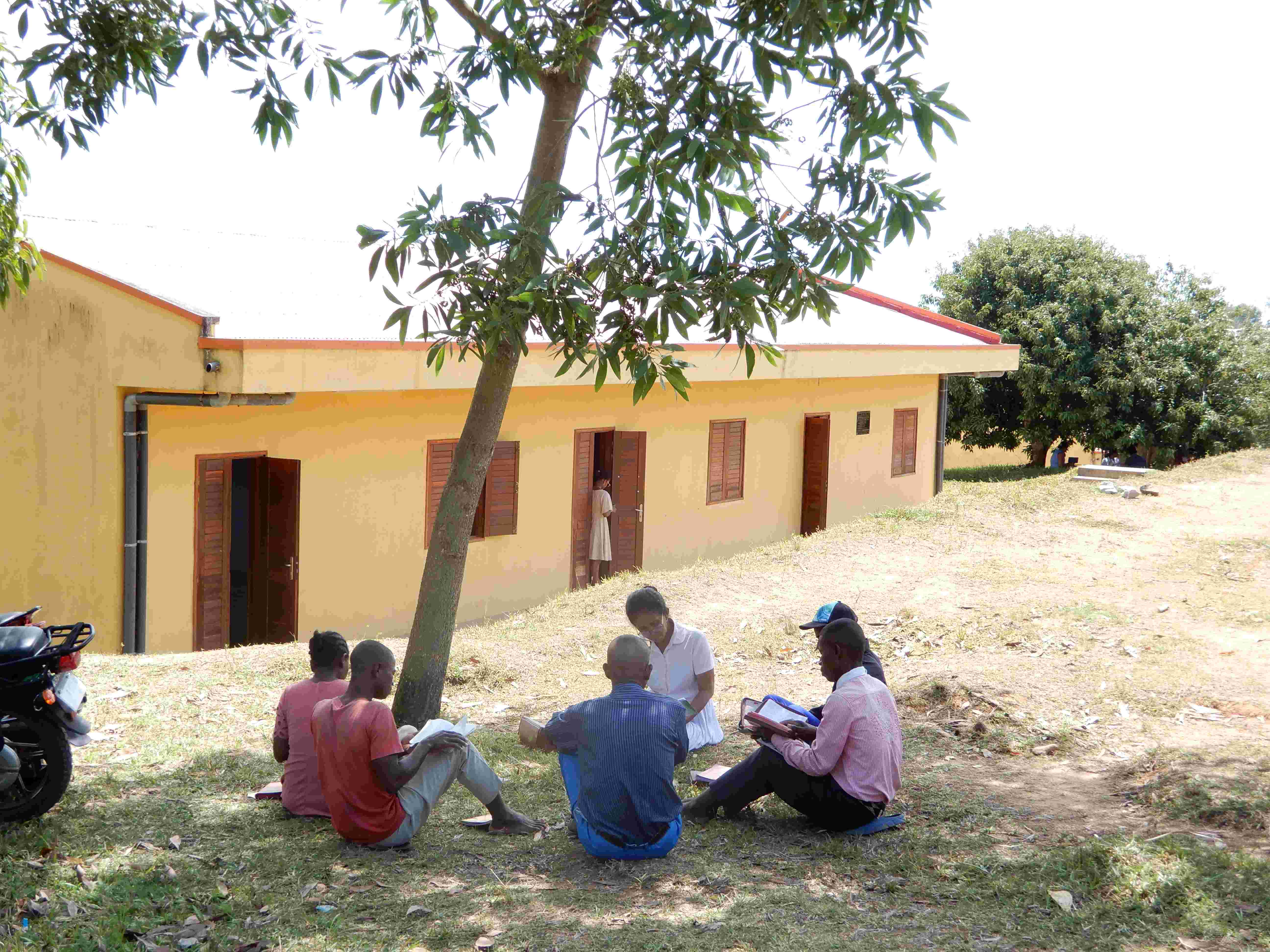
In the towns most of the groups meet at the weekend, as people are busy at work during the week. These usually meet in the church, whereas those in remote rural locations which as yet have no church meet in the open air – a challenge for the leaders who have to travel there. The parish of Manambato is so remote that it is not served by bus, and it would take Odilon four days to walk there. Much of it still has no mobile network coverage, so keeping in touch with the leaders is difficult. But there is at least one group meeting in this parish.
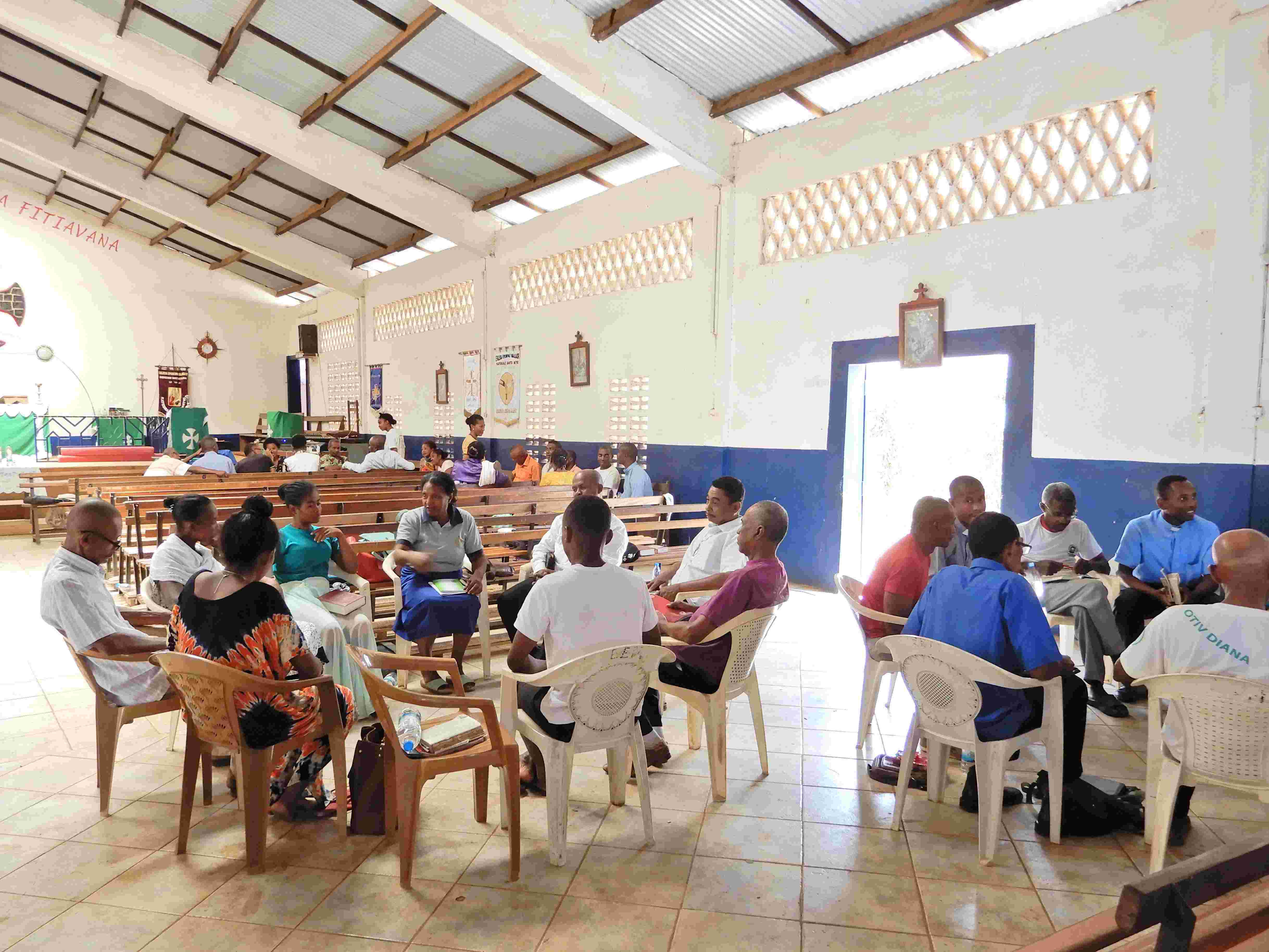
One of two groups meeting in a rural part of the parish of Vohemar
Some of the leaders trained in October have not yet started groups, but have pledged to do so in January, and Odilon plans to visit one parish every Saturday in order to support and encourage them.
His closing comment? ‘Four months after the Rooted in Jesus conference, we can say that Rooted in Jesus is invading the Antsiranana Diocese’!
News from DR Congo
We’ve also been encouraged recently by reports from the Dioceses of Aru and Bukavu.
The Diocese of Aru
In the Diocese of Aru, Revd Emmanuel Etsegeri reports that there are now 73 active groups with more than 600 members. Some are working through Book 1, others through Book 2, and some are about to move on to Book 3, which is already available in French and Lugbara. Translations into Kakwa and Alur are in progress.
A group in Aru parish completes Book 2 of Rooted in Jesus, December 2024
Writing in French, Emmanuel says that they are proud to be part of the Anglican Communion, and grateful to be able to help people become true disciples of Jesus, particularly as they are surrounded by false doctrines which threaten to lead them astray. He says that many group members have shared personal testimonies and said how happy they are to be able to deepen their own faith and learn to minister to others.
The growth of discipleship in Aru is all the more remarkable in that the initial training was done while Covid was preventing travel, most of it by CMS missionary Peter Wyard along with a team of local trainers whom he had recruited and supported. It is this team which continues to provide the energy and commitment to sustain and grow the programme in the parishes.
The Diocese of Bukavu
Bukavu is another diocese which held its first training conference during the period of Covid – this time led by Canon Jacob Robert and a team of facilitators from Tanzania, who focussed on the missionary area of Lake Tanganyika, where missionary Bishop Elisha Tendwa is helping prepare for the launch of a new diocese. A second conference was held in 2023, this time led by Revd Amanda Johnson with a multinational team from the UK and from Burundi.
The most recent report comes from Ven Minduli Mulanda, coordinator in Lake Tanganyika, and also a trainer elsewhere; he joined the team to Burundi in 2022.
Internal training for Group Leaders in the Deanery of Uvira, September 2024
Ven Minduli says that they have 47 groups with 503 members, in 24 parishes – some on Book 1, some on Books 2 and 3, and a few on Book 4. Thanks to a donation from a parish in the UK they have been able to give Bibles to group leaders who previously lacked them, and in September and October Ven Minduli organised additional internal training for the leaders of the archdeaconries of Uvira and Bangwe. As in Antsiranana, it’s not easy to keep in touch with the group leaders, many of whom live in far flung places and do not have mobile phones. Ven Minduli has therefore appointed local coordinators in the deaneries.
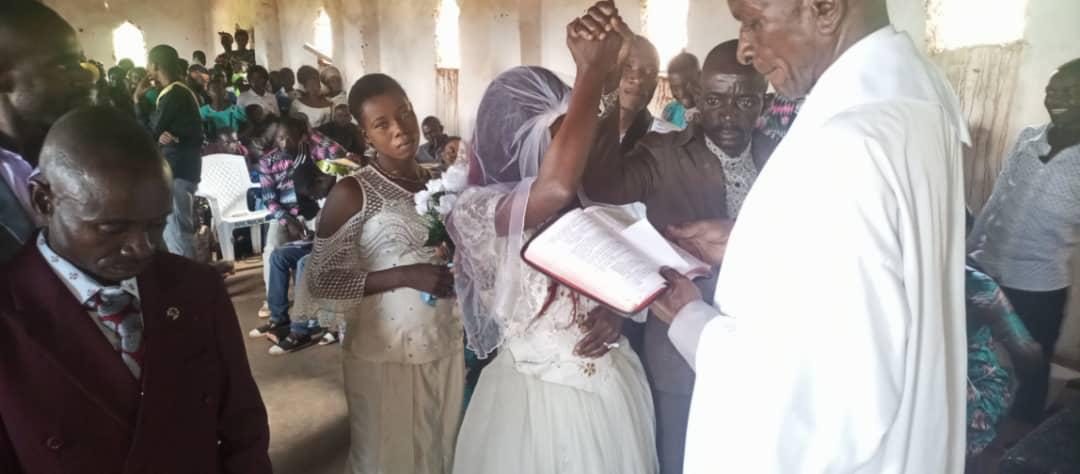
In 2024 two Rooted in Jesus group leaders got married!
Looking ahead
In the next few months we have teams going out to South Sudan, Kenya and Malawi. We are grateful to all those who underpin this ministry in prayer and to those who support it financially.
Rooted in Jesus is published and supported by The Mathetes Trust. To find out how you can support Rooted in Jesus visit our website or get in touch by email. We’d be delighted to hear from you!
There are 6 Anglican dioceses in Madagascar, which is part of the Anglican Province of the Indian Ocean. In 2011 Bishop Gilbert Rateloson of the Diocese of Fianarantsoa and Bishop Todd MacGregor of the Diocese of Toliara hosted the first Rooted in Jesus conferences in the country. They hoped that as a grassroots discipleship programme Rooted in Jesus (known as Mamaka in the Malagasy language) would help both church and lay leaders to evangelise and teach the Christian faith to ordinary believers and not-yet believers in a way that had not previously been possible. In 2021 Bishop Todd was succeeded by Bishop Samitiana Jhonson, who has continued to prioritise mission and discipleship across the diocese; both dioceses have continued to provide ongoing training and support for group leaders.
The Dioceses of Antsiranana and Toamasina
Following the 2023 conferences we were delighted to receive invitations from Bishop Jean Baptiste Jaomandiny and Bishop Jean Paul Solo to introduce Rooted in Jesus to the Dioceses of Antsiranana and Taomasina. Antsiranana lies at the far northern extremity of the island, and Toamasina on the east coast. As always in Madagascar, both dioceses cover a vast area, most of which is poorly served with roads, transport and other infrastructure. And yet, as elsewhere, the persistent ministry of the clergy and catechists is leading to church growth. For this growth to be meaningful, the bishops wish to train and equip both clergy and lay leaders with the materials necessary to enable them to teach people to become not just churchgoers, but confident disciples of Jesus who will become active in ministry to others.
The team
The Province and Rooted in Jesus are working together to build a team of national trainers who will be able to support the Rooted in Jesus programme in Madagascar. Each diocese appoints one or two Rooted in Jesus coordinators, and they in turn are supported by a network of district coordinators who maintain close links with the group leaders in each parish. This year the training team (right) consisted of two members from England, Revd Dr Alison Morgan and Revd Dr John Eldridge, and two members from the Diocese of Fianarantsoa: Revd Jean Flobert and Miss Keziah Rateloson. Revd Flobert is the diocesan coordinator for Fianarantsoa, where he has more than 10 years experience of the programme; he was a member of the training team last year in Toliara. Keziah is the daughter of Bishop Gilbert Rateloson; a university student, she acted as one of our translators last year and leads a Rooted in Jesus group in her home diocese, where she is also a Scout leader. We enjoyed working together, each bringing our own experiences to the team and rejoicing in our complementarity and diversity.
Antsiranana: the first conference
The first conference took place in St Matthew’s cathedral, Antsiranana (below). Bishop Jaomandiny had invited 150 leaders from every parish in the diocese. Just over 40 of these were clergy, and 110 were lay leaders, including catechists, evangelists, Mothers Union, Fathers Association and Youth leaders.
The atmosphere in the conference was exceptional. Often people arrive feeling a bit shy, and uncertain what to expect. In Antsiranana they threw themselves straight into the conference, listening attentively, sharing their responses and asking questions, participating fully in the group activities and frequently bursting into vibrant and heart-warming worship (enjoy this on Facebook). Bishop Jaomandiny opened the conference and was present for most of the sessions; the Dean arranged to borrow plastic chairs from another church so that people could divide easily into small groups; a small gathering of dedicated women led by the Bishop’s wife Neny Victorine conjured generous meals out of the improvised outdoor kitchen; and participants emerged smiling each morning from their accommodation in the outbuildings of the cathedral compound.
The conference followed the usual format. Each day began with a short morning devotion, leading into a plenary teaching session. These were followed by practice groups in which the participants were divided into 15 groups to try out the material for themselves; the team began with a demonstration of the first lesson and then provided feedback to the volunteer leaders who led subsequent sessions. After a lunch break we offered three workshops, repeated daily in rotating groups so that everybody was able to attend all three: one on how to lead a RinJ group, one on pastoral care and one on prayer. This was followed by a time of ministry, because we think it important that each leader should be equipped not just materially and didactically but also spiritually for the task ahead. A final session was led by the coordinators, who helped everyone work out what support and accountability would be provided and required once they got home.
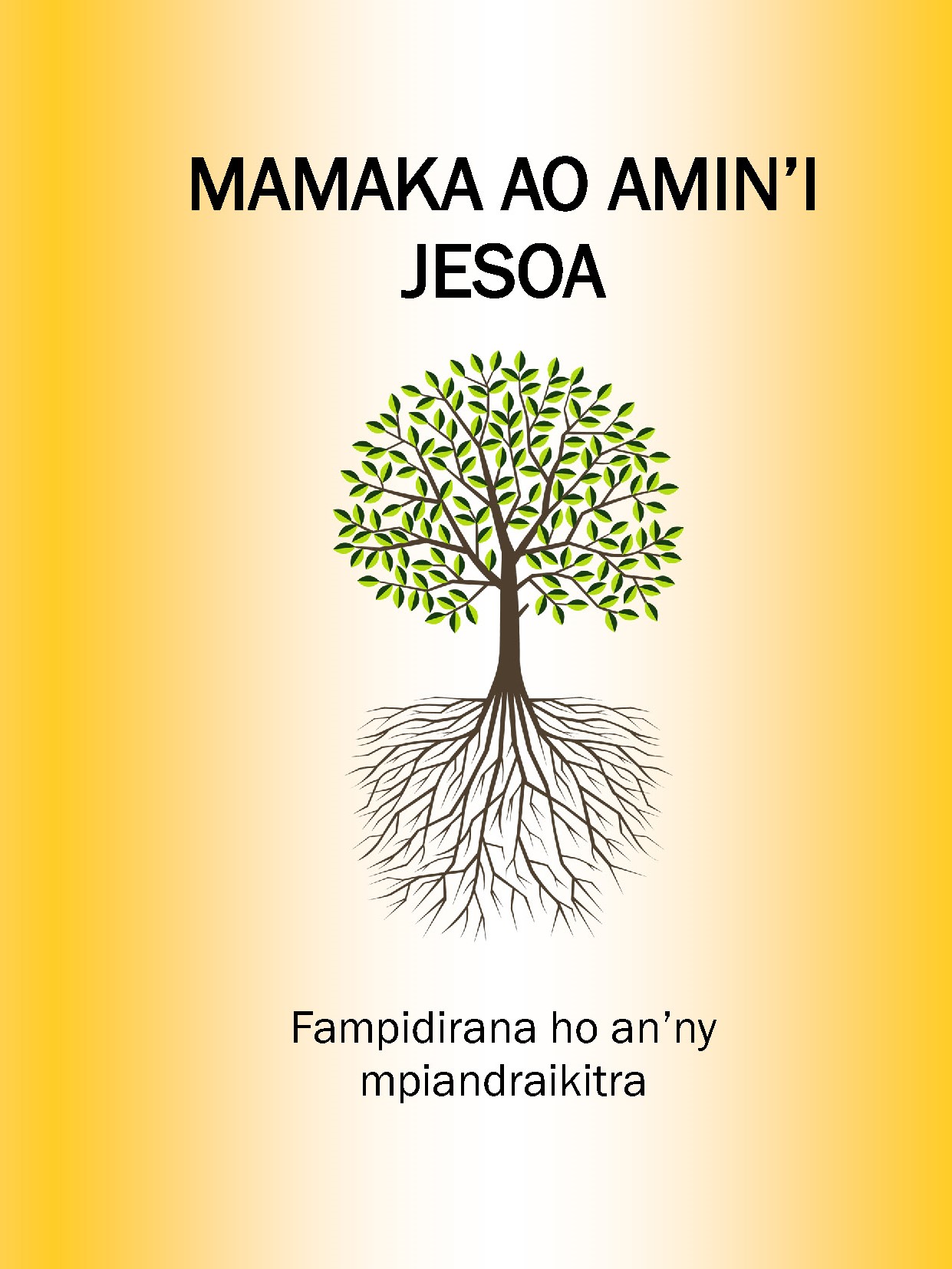
The conference ended with a commissioning by Bishop Jaomandiny, who asked each person present to commit to leading a group in their church or parish, and required lay leaders to formally state their willingness to do this; the clergy, of course, had already committed themselves to following his leadership. All 150 delegates were then given a training certificate and copies of the Leaders’ Introduction and Book 1. Books 2, 3 & 4 will be provided as they are needed.
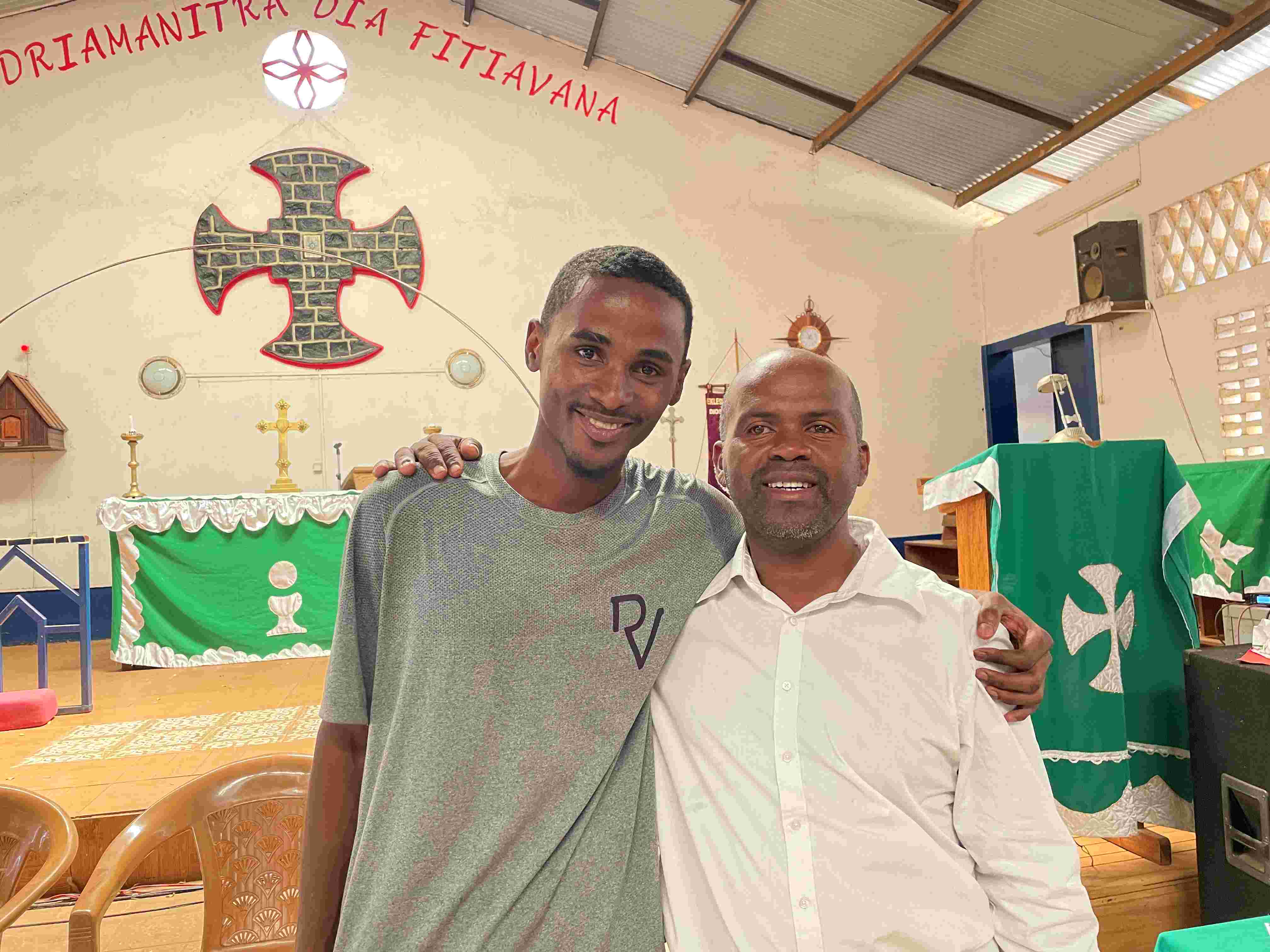
Bishop Jaomandiny appointed two diocesan coordinators: Local businessman Odilon Rafanombzamtsoa, a local businessman (above R), who will be assisted by Didier Manamboatra, an English teacher (above L).
For the team, the next few days provided the opportunity to visit both the Montagne d’Ambre National Park, where we were joined by the Bishop and his family and the Diocesan Chancellor; and the coast, where we were able to relax and enjoy the beauty of the Indian Ocean. On Sunday we were invited to visit the parish of Anivorano Nord, where the parish priest is Revd Joavula, brother to Revd Flobert and one of the two representatives the bishop sent to the conference in Fianarantsoa last year to find out more about Rooted in Jesus. Miles of unpaved roads led us to a small building which doubles both as a family home and as a church (below); here we were greeted by about 50 members from two of the seven churches in the parish who had come together with a great air of festivity for the occasion. Alison was invited to preach, a meal of rice and chicken was provided for all, and happy chatter, worship and dancing continued for most of the afternoon.
Toamasina: the second conference
On Tuesday morning we flew, courtesy of MAF, direct from Antsiranana to Toamasina, where we were greeted by the Diocesan Administrator and taken straight to a Chinese restaurant, where Bishop Solo explained that the proprietor was an Anglican whose business they wished to support. After a magnificent meal of fish cooked in two different ways and beautifully presented, we were taken to the Palais des Roses, a hotel owned by another Anglican, where we enjoyed exceptional comfort for the next week.
The conference began on the following morning: held not in the cathedral but a half hour drive away up in the hills, where the diocese owns a 200 hectare plot, most of which is still forested. Here there is a small church, a modern training centre with three spacious classrooms, a school, and various other buildings which provided accommodation for those participants who did not live locally. Despite the startling peacefulness and beauty of this central location, many participants had had to travel for three days by bus and on foot to come to Toamasina, from the same kind of scattered rural locations and over the same variety of unpaved roads and tracks as their colleagues in Antsiranana. All had arrived smiling, and all, as in Antsiranana, threw themselves straight into the conference with unfettered cheerfulness and an openness to whatever it was that the Lord had prepared for them. Due to an unfortunate hold-up with the funding, invitations had been issued only very recently, so we were relieved that 117 people had nonetheless been able to join us, including 13 from the cathedral.
The conference followed the same pattern as in Antsiranana, with workshops taking place in the training centre and the practice groups mostly outside under the protective shade of the trees. Participants ranged in age from a retired priest in his 70s to a pair of smiling identical twins who looked to be in their early 20s. All were equally engaged with the conference, and all promised to start groups back at home – including one Youth leader who said he came from a parish with 7 churches led by 7 catechists, none of whom had been able to travel to Toamasina; he planned to invite them all to join his group, and expressed his confidence that they would accept.
The catering for the conference was ably managed by Bishop Solo’s wife Neny Danielle and their daughter Daniella, who had come to stay for a week specially for the purpose. Generous quantities of rice, chicken, fish, salad and fruit appeared at regular intervals, served on tables decorated with fresh flowers or covered with a single leaf as a tablecloth, and ending with an open air picnic where everybody sat in parish groups on mats on the grass.
Bishop Solo closed the conference with a formal commissioning, in which he too invited every delegate to raise their arm and make a prayerful commitment to start a group when they got home. Many were young, and few have done anything like this before, so the ongoing support of the two coordinators, Revd Jimmy Fridels Randranasolo and Revd Marlin Fety (above right) will be very important.
On Sunday we were pleased to be able to attend worship at St James Cathedral, where Alison was again invited to preach. The main service takes place at 6am, and the cathedral was full – with between 450 and 500 people present. Bishop Solo asked the 13 group leaders who had attended the conference to stand, and explained that they would be inviting the first 150 people to join groups very soon. After the service we were honoured to be taken out for lunch by members of the Cathedral committee.
Giving thanks
After another day of rest, we left for the capital Antananarivo the following afternoon, Flobert remaining to spend time with family members. Keziah was met at the airport by her sister, and John and Alison left the next day, having been delighted in the meantime to have breakfast with Fr Darrell Critch, a Canadian who is about to be installed as the bishop of the Diocese of Mahajanga. We hope that once he has settled in and when the time is right, we may have the opportunity to serve there too.
We are hugely grateful to Bishop Jaomandiny and Bishop Solo for making all the practical arrangements for the conferences, and to them, their families and the church members who offered us hospitality during our visit. We are also grateful to those who translated for Alison and John, to all those who prayed for us each day during our stay, to the Relay Trust who provided each diocese with a grant to enable them to hold the conferences, and to Revd Donné and Neny Vero of the Diocese of Toliara who printed the books. Last but not least, I would like to thank John, Flobert and Keziah for their unstinting commitment to making both conferences a success.