Kondoa is a small town which sits on the eastern edge of the Great Rift Valley in central Tanzania. It’s an unremarkable place, an ordinary rural community whose people support themselves predominantly by subsistence farming – but it’s bursting with remarkable history: geological, cultural and spiritual. Missionary Vincent Donovan famously remarked that God enables a people, any people, to reach salvation through their culture and tribal, racial customs and traditions. And perhaps the key to understanding the ministry of the Diocese of Kondoa today is to be found in its history.
Traditional religion
The Great Rift Valley formed some 25 million years ago, as powerful tectonic shifts deep underground pulled the landscape apart, creating a great rift down the middle of what today is Tanzania. Kondoa sits on the edge of the escarpment which rises above the valley on its eastern side. It’s an odd landscape, dotted with massive granite boulders which look as if they had been tossed there by giants; a mysterious landscape which for thousands of years has invited its inhabitants to consider the spiritual realities which lie behind the visible world. And from the earliest times, that invitation has been accepted: these boulders shelter some of the oldest cultural and religious rock art in the world, thought to date from 50,000 to 2,000 years ago. Some of the sites are still used for traditional spiritual ceremonies to this day.

Islam
But there are many ways of thinking about spiritual questions, and sometimes answers are suggested not by geological but by cultural factors. The 19th century saw a huge increase in the Arab slave and ivory caravans which passed through this region on their way from the slave dealing areas in the west to the export markets on the east coast. The economic welfare of these inland communities was bound up with this trade, and many of the peoples along the route abandoned the traditional religion of their ancestors and embraced Islam. Kondoa, once a place of rest for the slave caravans, today has a population which is 90% Muslim.
Christian mission
Fast forward to the late 19th century. As Christian missionaries brought the gospel to Tanzania, Anglican dioceses were founded, starting in the former slave trading regions. In 1927 the Diocese of Central Tanganyika became the third Anglican diocese in Tanzania, covering a vast area which included Kondoa. For many years the bishop of the diocese cherished the hope that one day Kondoa could become a diocese in its own right.
But Kondoa is a difficult place to minister. Not only because of its majority Muslim population, but because of its poverty. The road system is very poor, with just one tarmacked road running through its centre. The economy is mostly subsistence farming, with only 25% of the land cultivated; erratic rainfall mans that crop failure is common. Electricity is available in Kondoa itself but not yet in the villages, most of which do not have running water; educational attainment is the second lowest in the country. But notwithstanding these difficulties, the Diocese of Kondoa was eventually founded in 2001 – following a rather unexpected development.
The spiritual foundations for growth
By the 1990s an Anglican pastor named Given and a New Zealand missionary named David were working together to bring the gospel to the people of Kondoa. ‘Given’, named by the nurse who had saved his life as a premature baby, was the son of an illegitimate mother and an alcoholic father; he spent the first 14 years of his life in a leaking hut, often going without food for days at a time. But his mother was a strong Christian, and when Given was 14 a visiting preacher invited people to give their lives to Jesus. Given welcomed Jesus as his Saviour, and began a journey which has shaped the Diocese of Kondoa to this day. One thing led to another as God’s plan unfolded. Given was confirmed; he was sent by the Bishop to school; he trained with the Church Army as an Evangelist; and he began with David to minister the gospel in the villages of Kondoa.
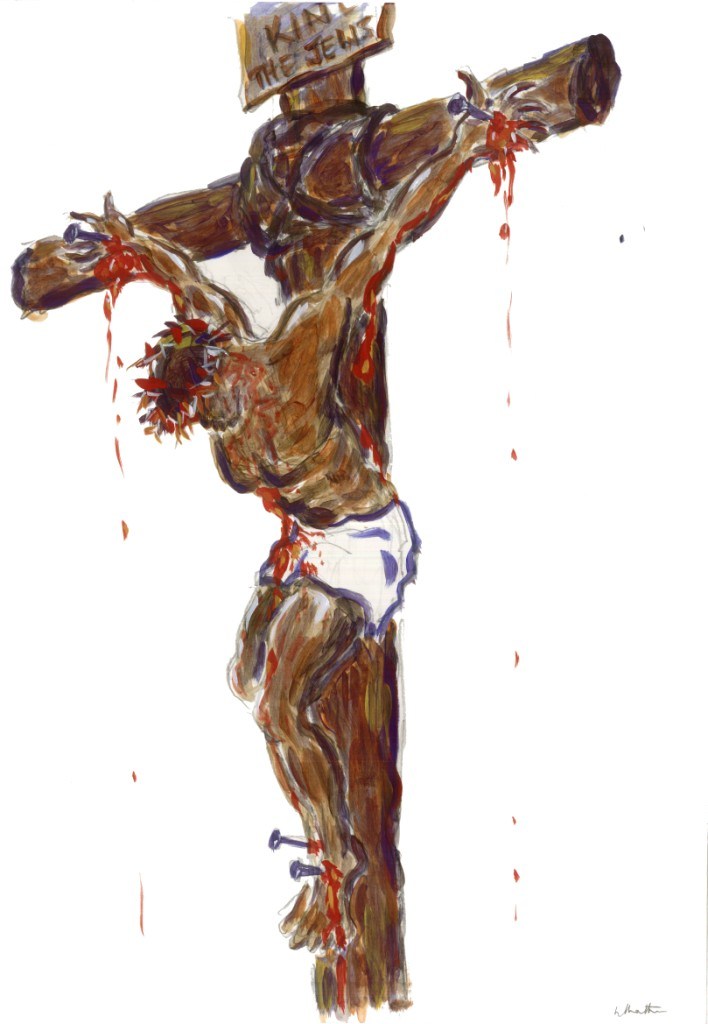
One day Given and David were travelling when they came across a woman who had collapsed. Doctors had been called and said she needed a blood transfusion to save her life. Her friends and family had offered their blood but were found to be of the wrong blood group. “Try mine,” David said. It was the correct group. He gave blood, and the woman was healed. Given traces the spiritual foundation of the Diocese of Kondoa to this moment. It was, he says, a huge step forward for the gospel. Three things were important:
- A man gave his blood to a woman – in Muslim society women are considered inferior to men
- A man gave his blood to a black woman – in Muslim society a black woman is considered inferior to an Arab woman
- A white man gave his blood to a black woman. Remember, this is a place which offered shelter to the slave caravans…
The giving of blood, Given says, represented the sacrifice of Jesus. Something had happened in the heavenly places, and from that day onwards the gospel began to spread in Kondoa.
The ministry of the Diocese today
In 2001 Kondoa became a diocese in its own right, and in 2012 Given was asked to become its second bishop. In worldly terms this was not an attractive prospect, and Given had two other job offers at the same time. But his wife Lilian, who is also ordained, suggested they spend a night in prayer. God spoke to them from the Book of Esther: for such a time as this… Given was consecrated later that year as Rt Revd Dr Given Gaula, second Bishop of the Anglican Diocese of Kondoa.
Today the Diocese of Kondoa has 34 parishes, 8 deacons, 50 pastors and 97 catechists, and serves a population of 600,000 people. The Cathedral is currently the only parish in the diocese which is self sustaining financially, and most of the pastors are not paid. But despite these difficulties the diocese is growing. There are now some 18,000 Anglicans, up from just 7,000 in 2012, and whereas then there were no church buildings at all, now there are many. The diocese even has its own Bible College.

Rooted in Jesus is introduced to Kondoa
In June 2019 Bishop Given, with the support of the Barnabas Fund and the Diocese of Rochester with which Kondoa is linked, invited us to send a Rooted in Jesus team to the diocese. Rooted in Jesus is designed to support people who may have received little formal education and yet who wish to learn more about the Christian faith – people in places like Kondoa. Bishop Given hopes that the groups will both strengthen the faith of church members, and provide a tool for evangelism in local communities across the diocese.
So the first Rooted in Jesus conference was held in November 2019, in the church which currently serves as the cathedral. The team of facilitators was led by Canon Jacob Robert from the Diocese of Mara, and the conference was attended by 126 pastors, catechists, evangelists and Bible College students. The team provided teaching on the nature of discipleship, on the ministry of the Holy Spirit, and on the rewards and difficulties of ministry. Team member Bishop Elisha Tendwa shared his inspirational experiences of planting a diocese with Rooted in Jesus in DR Congo. Participants engaged attentively in the workshops on leadership, pastoral care and prayer, and twenty bravely volunteered to lead practice groups. Outside boys played football in the sandy riverbed, two women trudged up and down with cans of water for the plants in the cathedral’s plant nursery, and children gathered to watch a Muslim family train their new camel. Something new was happening in the midst of the ordinary people of this ordinary place.
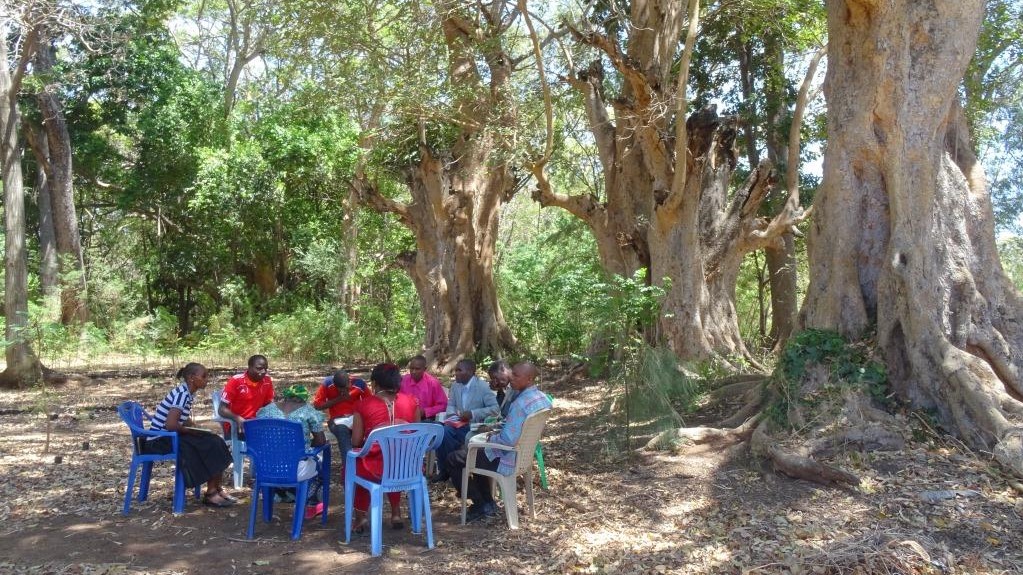
There were many poignant moments in the conference, not least when people shared the despair they feel at being a religious minority in their own communities, despite Tanzania being a largely Christian country. Many said that they have experienced discrimination on the basis of their faith; but as the days passed gradually people began to feel that Rooted in Jesus offers the hope of reaching out to their neighbours with the gospel. The most painful moment, though, was when Bishop Given explained that despite his urgent desire to be fully present at the conference, he must go home to be with his mother, who had been admitted urgently to hospital. Marina, a lifelong Christian, had been seriously ill since Easter; and the following day she died. Given, whose childhood faith had been nurtured by his mother in such difficult circumstances, has remained the primary support for his family for many years, and he was with her as she died. The team was able to visit him and offer their condolences after the conference. “My mum was everything to me,” Bishop Given said sadly as he told of her death, sharing his conviction that her release from suffering was nonetheless an answer to the prayers of the faithful.
Looking ahead
“The Lord appointed seventy-two others … He told them, “The harvest is plentiful, but the workers are few. Ask the Lord of the harvest, therefore, to send out workers into his harvest field. Go! I am sending you out like lambs among wolves.” Luke 10: 1-3
It was agreed that the groups would be formally launched across the diocese on 30th November. The Rooted in Jesus programme will be coordinated by Canon Lameck Masambi, the Diocesan Mission and Evangelism Officer. Reports will be provided by group leaders to the pastors, discussed in the parish councils, and passed to the area deans. Lameck will meet regularly with the area deans to review progress.
Our prayers remain with Bishop Gaula and his family, with Canon Lameck and with all those who will lead the groups, trusting that Rooted in Jesus will contribute to the ongoing spiritual growth of the people of Kondoa.
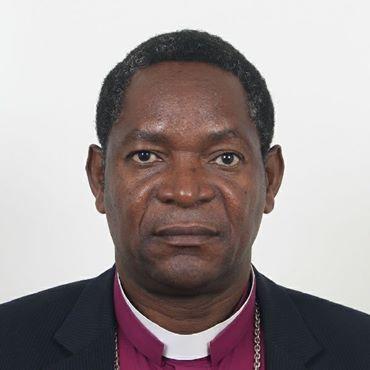
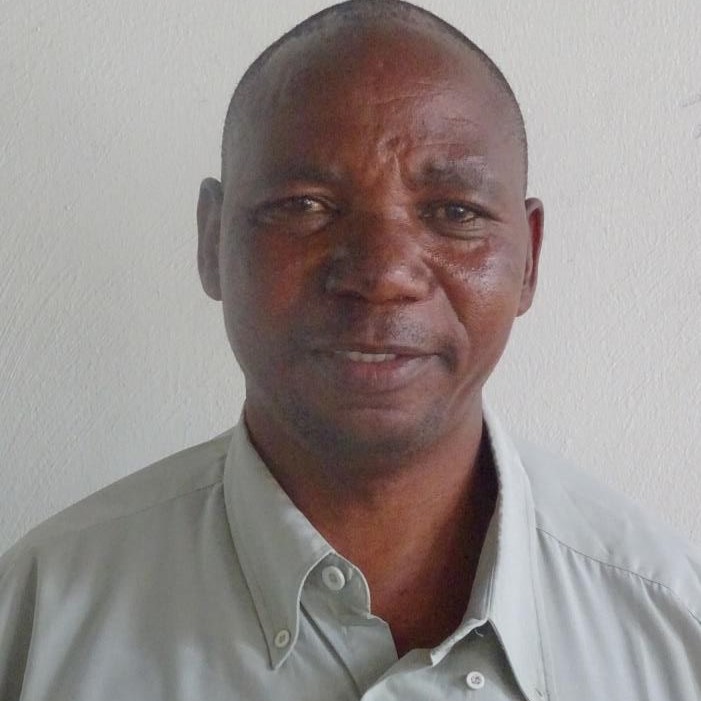
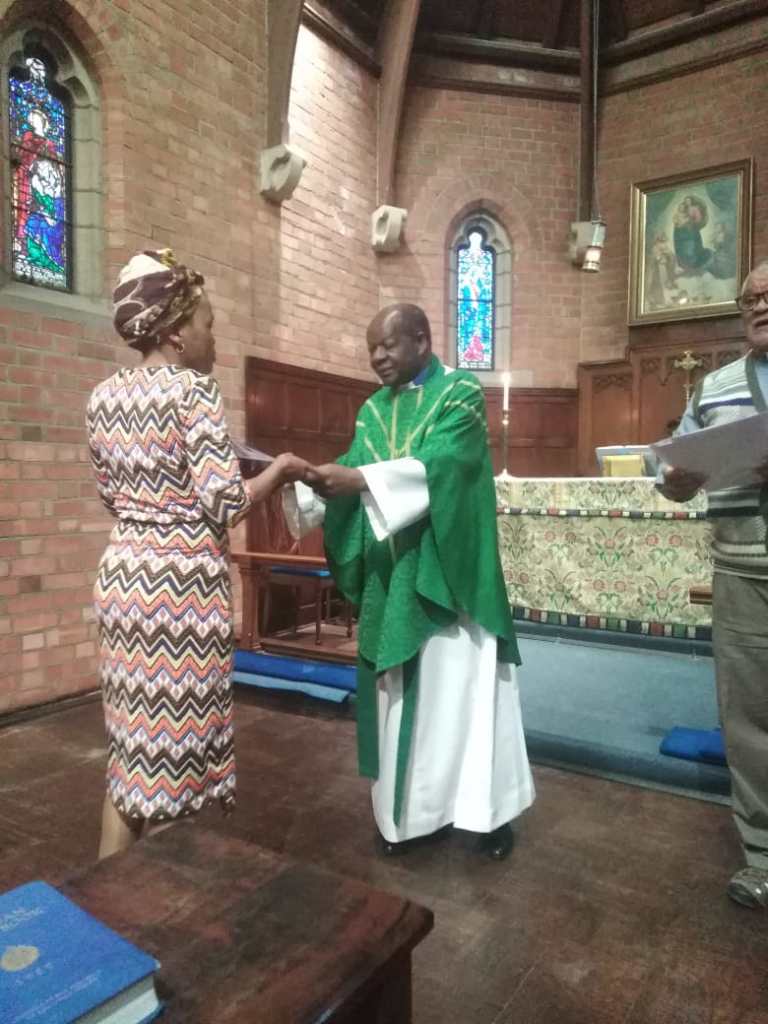
Bishop Given Gaula and Canon Lameck Masambi
Rooted in Jesus is published and overseen by The Mathetes Trust, and supported in the Diocese of Kondoa by the Barnabas Fund and by the Diocese of Rochester. The diocese has its own website, and you can read Bishop Given’s personal testimony here.
Posted by Revd Dr Alison Morgan, 15th December 2019.



 Rooted in Jesus